Why off-the-ball positioning should shape your betting decisions
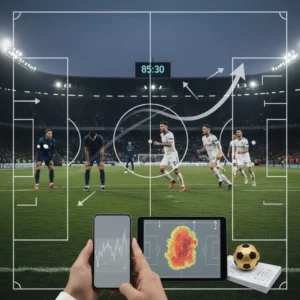
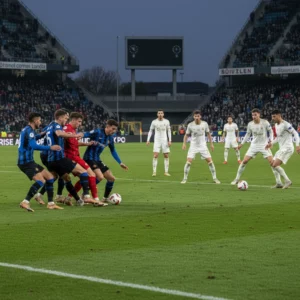
You probably watch highlights and focus on goals, assists, and flashy dribbles — the on-ball actions that dominate commentary. But much of what determines a match’s flow happens away from the ball. Off-the-ball positioning — where players place themselves, how they move to create or deny space, and how teams maintain compactness — directly affects chances created, defensive stability, and momentum swings. If you ignore these elements when assessing odds or placing live bets, you leave money on the table.
As a bettor, understanding off-the-ball behavior helps you interpret more than raw statistics. Two teams might have similar possession numbers, but one converts possession into high-quality chances because players rotate intelligently and occupy dangerous channels. Conversely, a team that leaves gaps between lines or fails to pick up runners concedes easier chances than metrics alone suggest. Recognizing these nuances lets you anticipate events like counterattacks, overloads on the wings, or susceptibility to set pieces — all of which influence markets such as match goals, correct score, and both teams to score.
Common positioning mistakes bettors overlook and how they cost you money
Below are recurring errors you should watch for when evaluating teams pre-match or during live play. Each mistake changes probability in ways that bookmakers’ models may not fully price, especially in lower leagues or international matches where data coverage is thin.
Poor defensive line coordination
-
If defenders fail to move as a unit, you’ll see gaps for through-balls and runs behind the defense. This increases the likelihood of clear scoring opportunities and makes markets like over 2.5 goals or striker anytime scorer more likely to hit.
-
Betting without checking how a back four or three reacts to wide play can make you misjudge a team’s defensive solidity.
Inadequate support runs from midfield and forwards
-
When attacking players don’t make supporting runs, the on-ball player faces more pressure and fewer passing options — leading to lower shot quality and fewer expected-goal (xG) events. You might overvalue a team’s chance conversion if you focus only on possession or touches in the final third.
-
Watch for predictable patterns: teams that hesitate or hold runs often struggle to convert possession into goals consistently.
Failure to occupy key spaces on transitions
-
Teams that leave central channels or second-ball zones unmarked are punished repeatedly on counters. This raises the probability of quick goals after turnovers, which is crucial for live betting and betting on goal windows.
-
Ignoring a team’s shape during transitions leads to misreading how resilient they are after conceding or scoring.
Spotting these tendencies requires focused observation rather than relying solely on headline stats. In the next section you’ll learn practical visual cues and live indicators to watch so you can spot off-the-ball mistakes in real time and adjust your betting strategy accordingly.
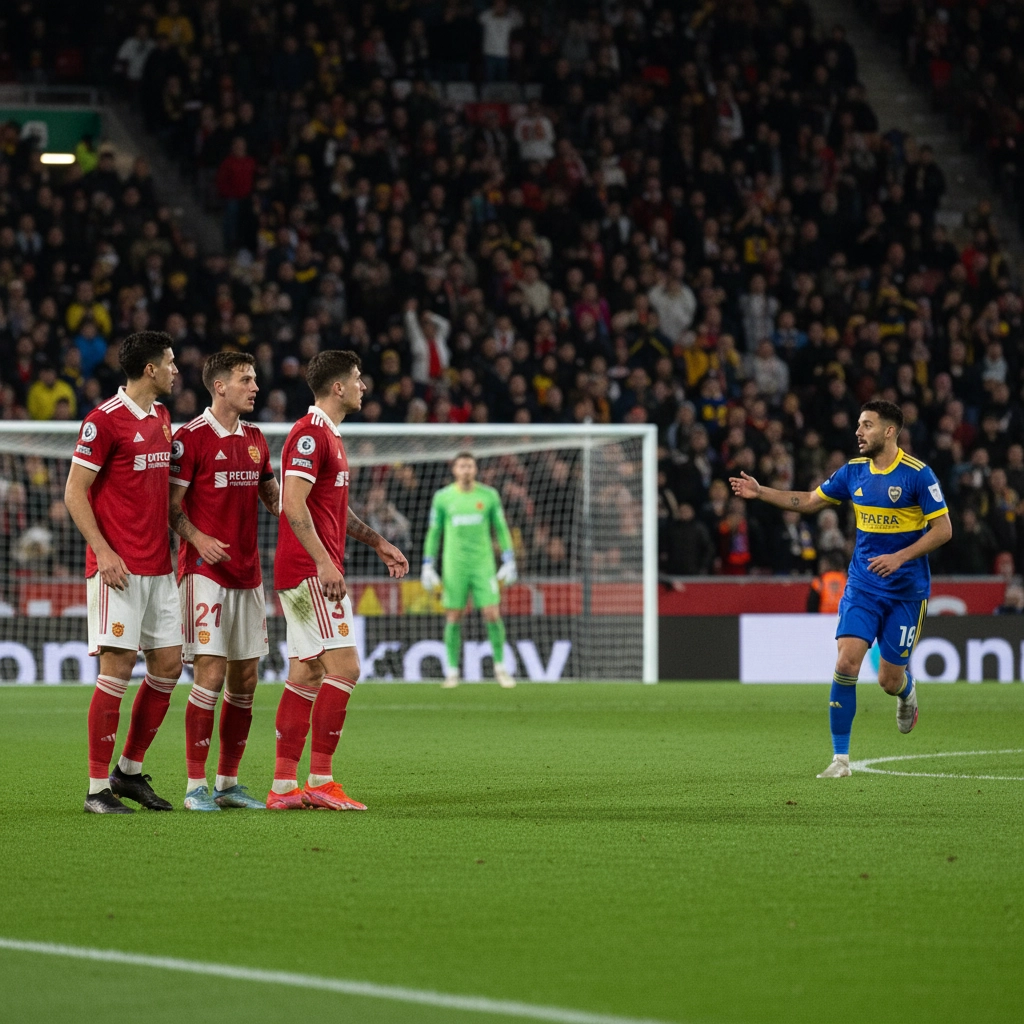
Live visual cues that reveal off-the-ball weaknesses
Watching for off-the-ball mistakes in real time is about picking up simple, repeatable signals — not getting lost in advanced metrics. Here are practical cues that reliably announce trouble long before the next shot appears:
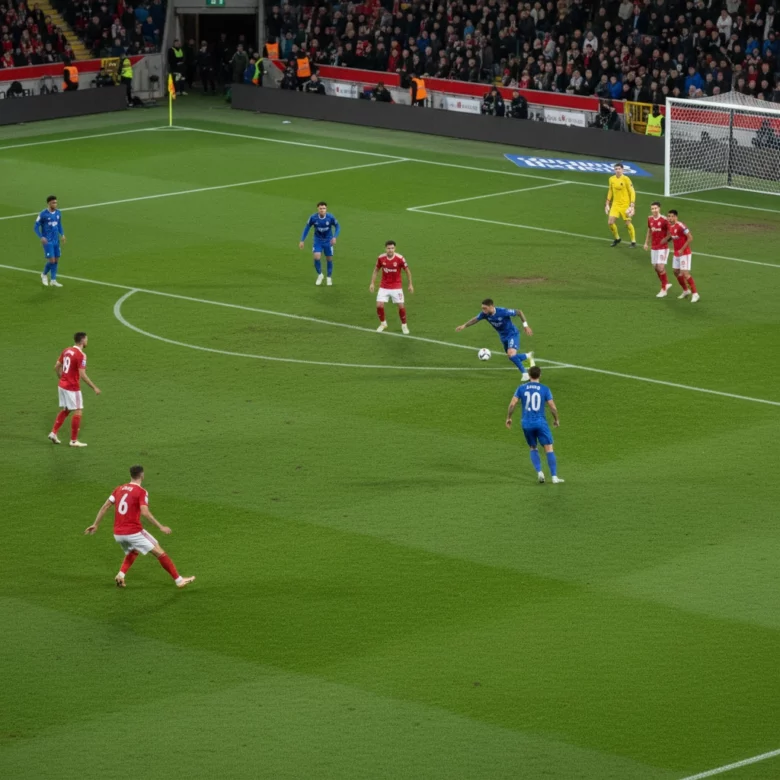
- Fragmented defensive line: are the centre-backs split by more than a couple of steps whenever the ball switches side? If you see an attacker repeatedly finding a pocket between the centre-backs and the full-back, that’s a recurring through-ball opportunity.
- Slow or late pressure from midfield: count the seconds — if a midfielder takes two-plus seconds to close the on-ball player after a turnover, the opponent has time to launch counterattacks. That delay correlates with increased danger on quick transitions.
- Predictable support patterns: do teammates wait for the ballcarrier to create instead of making blind-side or diagonal supporting runs? When runs are telegraphed or nonexistent, expected chances dry up even if possession looks healthy.
- Wide overloads with flat centre: if full-backs bomb forward and the centre of midfield doesn’t compress, the space left between lines invites direct balls into the box or cutbacks — an indicator for danger from crosses and set plays.
- Poor marking on set pieces: look for heads turned away, loose tracking of runners, or zonal markers drifting. Teams that repeatedly lose marking battles concede a disproportionate number of set-piece goals.
Use the first 10–20 minutes to validate patterns rather than acting on raw emotion. Bookmakers are slow to correct odds when you spot repeated positional errors — especially in lower leagues — but you want confirmation (a couple of successful counters, a conceded set-piece) before increasing stake size.
How to convert positioning reads into betting edges and staking rules
Once you’ve identified a positioning weakness, map it to markets that amplify that edge and adjust stakes conservatively. Practical pairings:
- Gaps between defenders → Over 2.5 / Anytime scorer: when the backline is stretched or isolated centre-backs are exposed, favour total-goals and key-player scorer markets rather than match-winner bets.
- Slow midfield recovery → Next-goal / Counterattack markets: teams vulnerable on transitions are more likely to concede quickly after turnovers. Short, timely live bets on next-goal or betting specific 10–20 minute goal windows can pay off.
- Poor set-piece marking → Corners & BTTS: repeated failures at marking often coincide with more corners and cross-heavy play, which increases both-team-scoring probability and set-piece chances.
Staking rules to protect your bankroll:
- Start small on live opportunities until the positional weakness produces a decisive event — treat early trades as probes rather than commitments.
- Use laddered stakes: scale up across two to three related markets as the pattern confirms (for example, small stake on next-goal, add to over 2.5 if a team concedes a counter, then to anytime scorer if the same forward gets chances).
- Avoid confirmation bias: if the cue disappears after substitutions or tactical tweaks, respect that and close exposure quickly rather than doubling down.
Positioning-driven edges are repeatable and moneymaking, but only if you translate visual reads into the right markets and control stakes. The next part will show a concise checklist you can run through before placing any in-play positional bet.
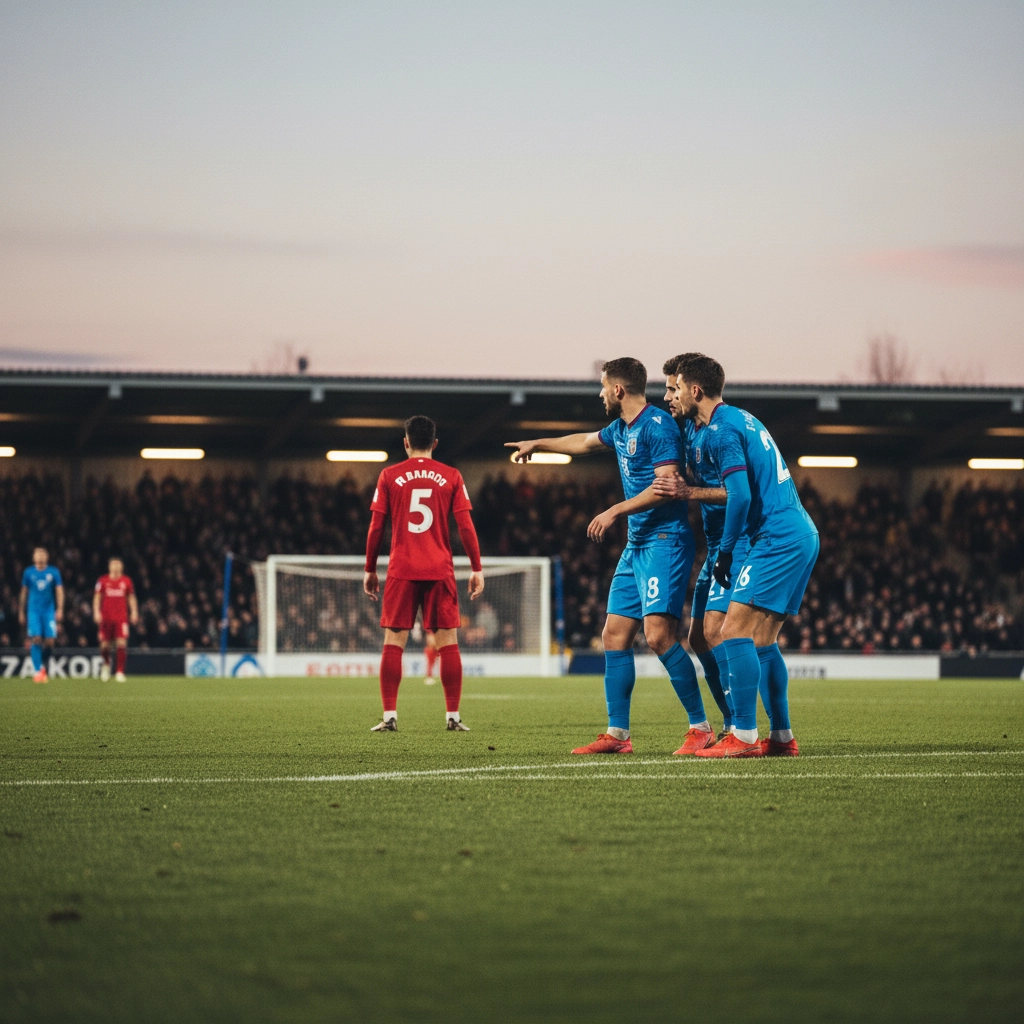
In-play positioning checklist
- Validate patterns in the first 10–20 minutes — look for repeated occurrences (at least twice) before committing larger stakes.
- Scan the defensive line on every wide switch — note gaps between centre-backs and distance to full-backs.
- Time midfielder recovery after turnovers — treat 2+ seconds as a red flag for counter vulnerability.
- Watch support-run behaviour — are forwards and midfielders making diagonal or blind-side runs, or standing square and predictable?
- Monitor central compression when full-backs advance — if the centre is flat, expect danger from cutbacks and crosses.
- Check set-piece marking on dead-ball situations — loose tracking or heads turned away increases set-piece risk.
- Use laddered stakes: small probe on the first signal, add only as the pattern produces clear opportunities.
- React to tactical changes quickly — substitutions or formation tweaks that fix a weakness should trigger an immediate stake reduction or exit.
- Corroborate visual reads with live stats where available (xG flow, shot volume, corners) before scaling exposure.
Bringing positional reads into your routine
Off-the-ball observation is a skill you build deliberately: practice the checklist, keep short notes on recurring team tendencies, and treat each live opportunity as a probabilistic trade rather than a hunch. Small, repeatable edges—found by watching how teams occupy and lose space—compound over time when paired with disciplined staking. For supplemental match data and to cross-check live indicators, reliable sources such as match data providers can help, but the visual cues in this article remain the decisive input for positioning-driven bets.
Frequently Asked Questions
How quickly should I act on an off-the-ball weakness during a match?
Don’t rush. Use the first 10–20 minutes to detect whether a weakness is recurring. Place a small probe bet when you see the first clear sign and only increase stakes after one or two confirming events (successful counters, conceded set-piece, repeated through-balls).
Which betting markets are most influenced by off-the-ball positioning?
Markets that respond directly to chance quality and game flow are most sensitive: over/under (especially over 2.5), next-goal and short time-window goal markets, anytime scorer, corners, and both-teams-to-score. Match-winner markets are less efficient for short-term positional edges.
Can live data replace watching off-the-ball behavior?
No. Live data (xG, shot counts, touches) complements your reads but misses nuance—timing of runs, small positional shifts, and marking lapses—that only visual observation reveals. Use data to confirm, not as a substitute for, on-field positioning assessment.