
Why gegenpressing can change how you bet on matches
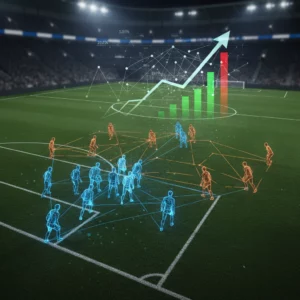
Gegenpressing is more than a trendy coaching buzzword — it’s an aggressive, systematic way teams try to win the ball back immediately after losing it. As a bettor, understanding how and when teams deploy gegenpressing lets you anticipate momentum swings, turnover-rich sequences, and shifting probabilities for markets like corners, cards, goals, and live overlays. You don’t need to be a coach to profit; you need to recognize key patterns, the situations that make gegenpressing effective, and the market consequences when it succeeds or breaks down.
Core mechanics of advanced gegenpressing you should recognize
At a basic level, gegenpressing relies on coordinated triggers, spatial compression, and rapid transition. Advanced versions add positional rotation, selective pressing triggers, and preset cover shadows to reduce counterattack risk. If you can spot these elements during pre-match analysis and early minutes, you can position bets before odds fully reflect the tactical reality.
Pressing triggers and how they affect betting windows
- Backward passes to center-backs: Teams that aggressively press center-backs often force mistakes in build-up. That raises the chance of turnovers high up the pitch — useful for early-match goal or total markets.
- Isolated full-backs: When the ball goes to an isolated full-back, the immediate press can produce blocked clearances or corners, creating value in corners and set-piece markets.
- Goalkeeper distribution: Teams that press the keeper compress options and increase throw-in and mistake likelihood; watch for short distribution patterns as a cue to press-sensitive markets.
Spatial compression and rotational pressing — what to look for live
Advanced gegenpressing doesn’t just swarm the ball: it channels opponents into narrow corridors where passing options are limited. You should watch for compactness between the midfield and attack lines, as well as rotating midfielders who cut off simple outlets. These behaviors make penetrating passes harder and increase the frequency of long clearances, ricochets, and second-ball situations — all drivers of shots and transitional fouls that move live markets quickly.
Early metrics and signs that give you an edge before odds adjust
Certain statistics and observable signs can give you a practical head start in the market. You can monitor them pre-match and during the first 10–20 minutes to spot whether the advertised tactical approach is actually happening on pitch.
- PPDA (Passes Per Defensive Action): A lower PPDA indicates higher pressing intensity — useful for anticipating turnovers and shot volumes.
- Turnover locations: Track where possession is lost; high turnovers in the final third suggest imminent scoring chances.
- Press success rate: Observe how often the press leads to an immediate regain; if success is high, markets for goals and bookings may shift quickly.
- Player work rates and substitutions: Early fatigue or tactical subs can neutralize a press, altering live expectations — keep an eye on heat maps and distance covered for clues.
With these tactical building blocks and early metrics in your toolkit, you’ll be better placed to spot actionable market inefficiencies — next, we’ll translate these observations into specific betting strategies and show how to identify live cues for timely market entry.
Concrete betting strategies tied to gegenpressing patterns
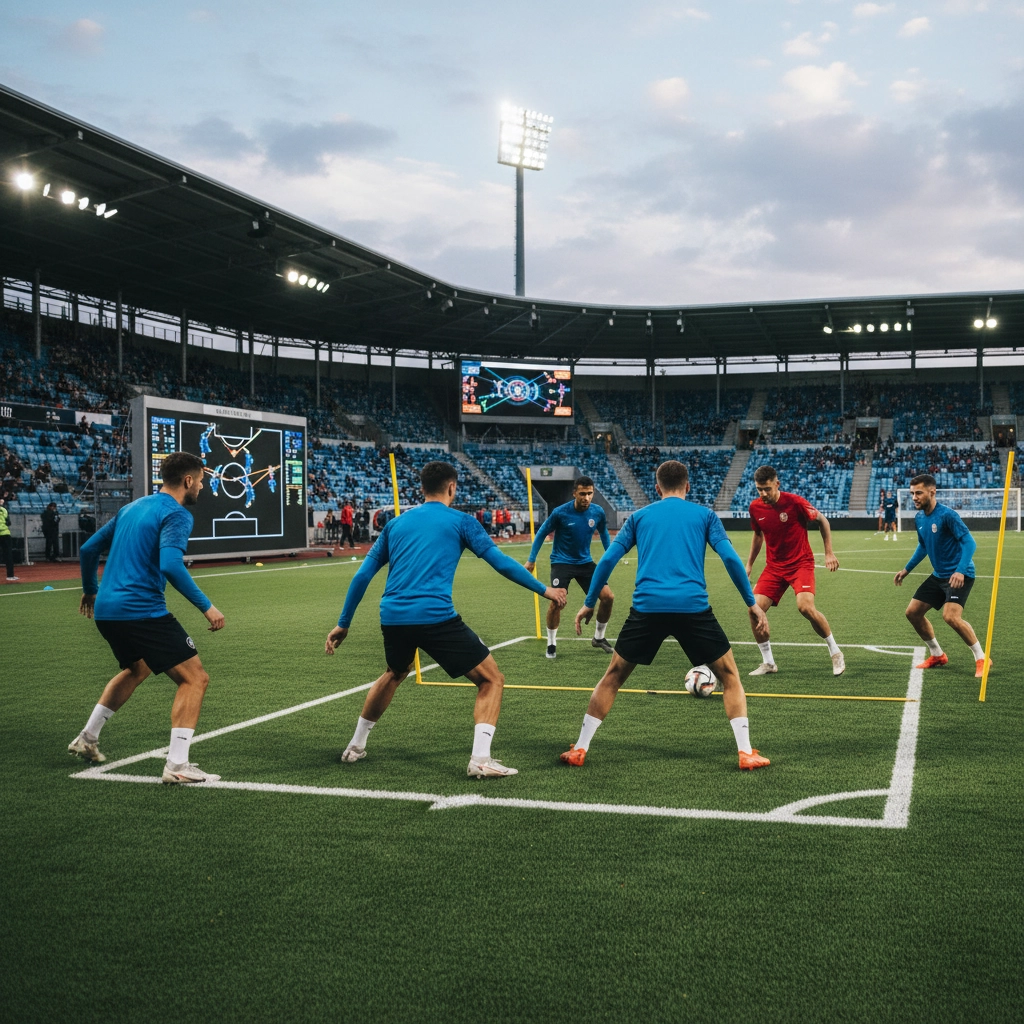
Translate the tactical signals you’ve been tracking into specific markets and entry rules. Below are practical strategies aligned to common gegenpressing outcomes — use them as templates and adapt thresholds to the leagues and teams you follow.
- Pre-match: press-heavy underdogs for value in totals and BTTS — If a lower-ranked team shows low PPDA, high press success and the favourite has a poor build-up record, odds often underestimate the turnover volume. Consider backing Over 1.5/2.5 or Both Teams To Score (BTTS) at attractive lines; the press creates short, sharp chances even if finishing quality is uneven.
- Corners and set-piece markets on isolated wide play — Teams that channel play to isolated full-backs while pressing often force blocked clearances and hurried defenses. Look for corner handicaps or Over X corners when early patterns show repeated wide isolations.
- Next-goal and short-timeframe overs in-play — When the press consistently wins second balls high up the pitch, snap up Next Goal or Over 0.5 goals in the next 10–15 minutes. These short horizons capture bursts of chance creation before odds fully adjust.
- Cards and booking markets when pressing becomes physical — Sustained high-intensity press increases tactical fouls and referee intervention, especially late in sequences. If a referee has a low leniency profile, consider card markets (Player/Team to be booked, card totals) when you see repeated stoppage fouls or cynical pull-backs.
- Lay favorites if the press is breaking down — If early distance-covered metrics drop or substitutes blunt the press, favourites dependent on being pressed may see reduced chance creation. Laying short favourites or taking price on draws can be profitable when a team’s primary tactical lever is neutralised.
Live cues, micro-patterns and when to act fast
Successful in-play trading on gegenpressing hinges on fast recognition of micro-patterns and disciplined sizing. Watch for these live cues and the immediate market moves they usually precipitate:
- Repeated back-passes to centre-backs with immediate pressure: Expect shot attempts and errant long clearances — trade overs and next-shot markets quickly.
- Keeper forced into short distribution under duress: Look for increased throw-ins, misplaced passes and turnovers; short-term corner and turnover markets become valuable.
- Second-ball dominance: If a side wins most second balls inside the opponent half, price short-term scoring opportunities — next-goal or 10-minute over bets.
- Visible fatigue or tactical subs: When average sprint distance and heat-map compactness drop, scale back exposure to press-driven markets and consider hedges or partial cash-outs.
- Referee temperament and small incriminating sequences: Two quick tactical fouls followed by a warning usually precede a booking; act fast on player-card markets.
Action rules: size bets smaller on highly volatile short-horizon markets, set hard stop-loss levels, and avoid chasing patterns beyond the first 10–20 minutes unless the tactical narrative remains consistent. In gegenpressing scenarios, speed and discipline beat conviction — often the best edge comes from trading price inefficiencies in the immediate aftermath of a clear tactical event.
Bankroll positioning and sizing for gegenpress volatility
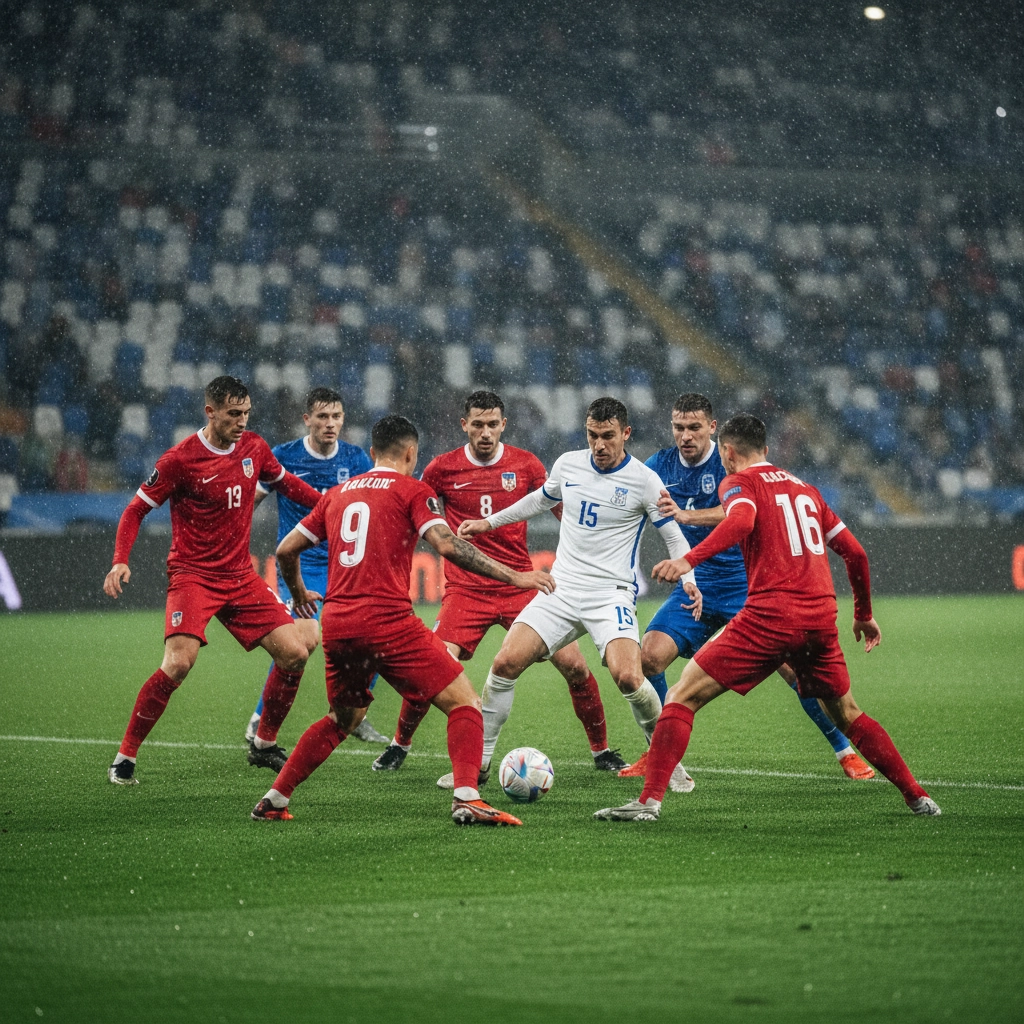
Gegenpress-driven markets are high variance. Use conservative staking: limit maximum exposure to a small percentage of your bankroll on any single in-play swing (commonly 1–2%), and reduce that further when trading very short markets (0.5–1%). Consider a Kelly-lite approach for repeated edges, but temper it with fixed fractional staking to manage tail risk from sudden breakdowns or referee randomness. Finally, keep a running log of patterns and outcomes — over time you’ll calibrate stake sizes to the real volatility of the teams and competitions you follow.
Putting it into practice
Turn what you’ve learned into a disciplined routine: create a short pre-match checklist of pressing cues, watch the first 10–20 minutes for real-time confirmation, and trade only when your rules are met. Size stakes conservatively, keep clear stop-loss levels, and log every trade so you can refine which leagues, teams, and referees produce the most reliable gegenpress-driven edges. Use trusted data sources to validate your observations — for quick match-level metrics try FBref match stats. Over time, pattern recognition and disciplined bankroll control will separate profitable bettors from hobbyists.
Frequently Asked Questions
How quickly can I tell if a team is using gegenpressing in a match?
Most reliable signals appear within the first 10–20 minutes: repeated high-intensity pressure on centre-backs, low PPDA indicators, frequent turnovers in the opponent half, and compact midfield-attacking lines. Use those early minutes to confirm the tactical intent before committing significant stakes.
Which betting markets react fastest to gegenpressing patterns?
Short-horizon markets are typically most responsive: Next Goal, goals Over in 10–15 minute windows, corner markets when wide pressure occurs, and card markets if the press becomes physical. These markets price in momentum quickly, so act fast and size bets smaller to manage variance.
How should I manage risk when trading gegenpress-driven opportunities?
Limit single-market exposure to a small percentage of your bankroll (common ranges: 0.5–2%), use Kelly-lite or fixed-fraction staking, set strict stop-loss rules, and avoid chasing losses after a pattern fails. Maintain a trade log to track which teams and competitions produce consistent edges and adjust stakes accordingly.