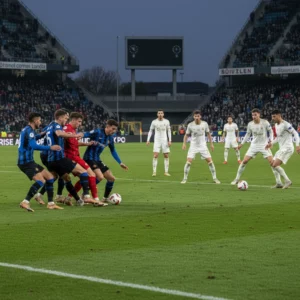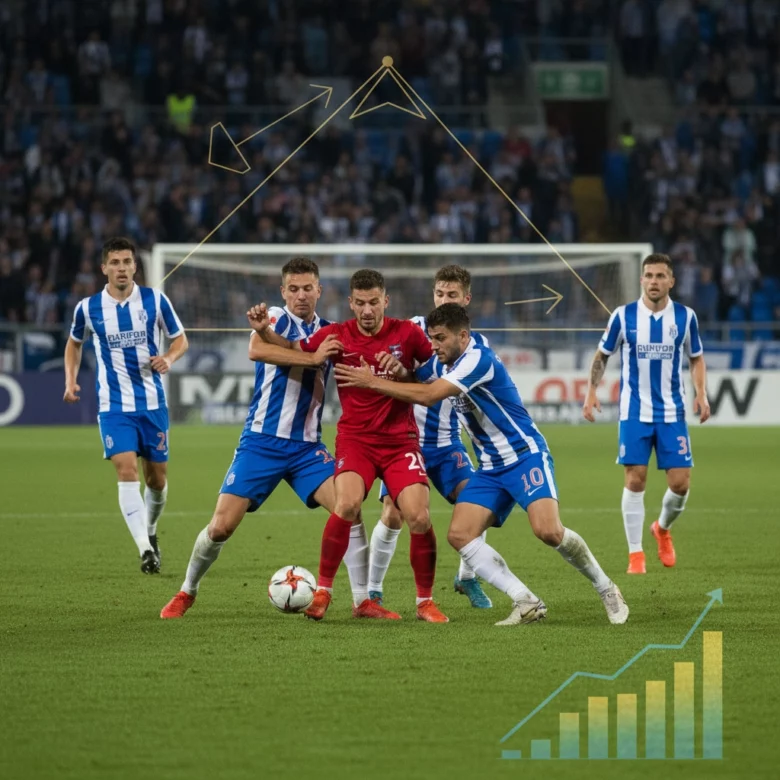
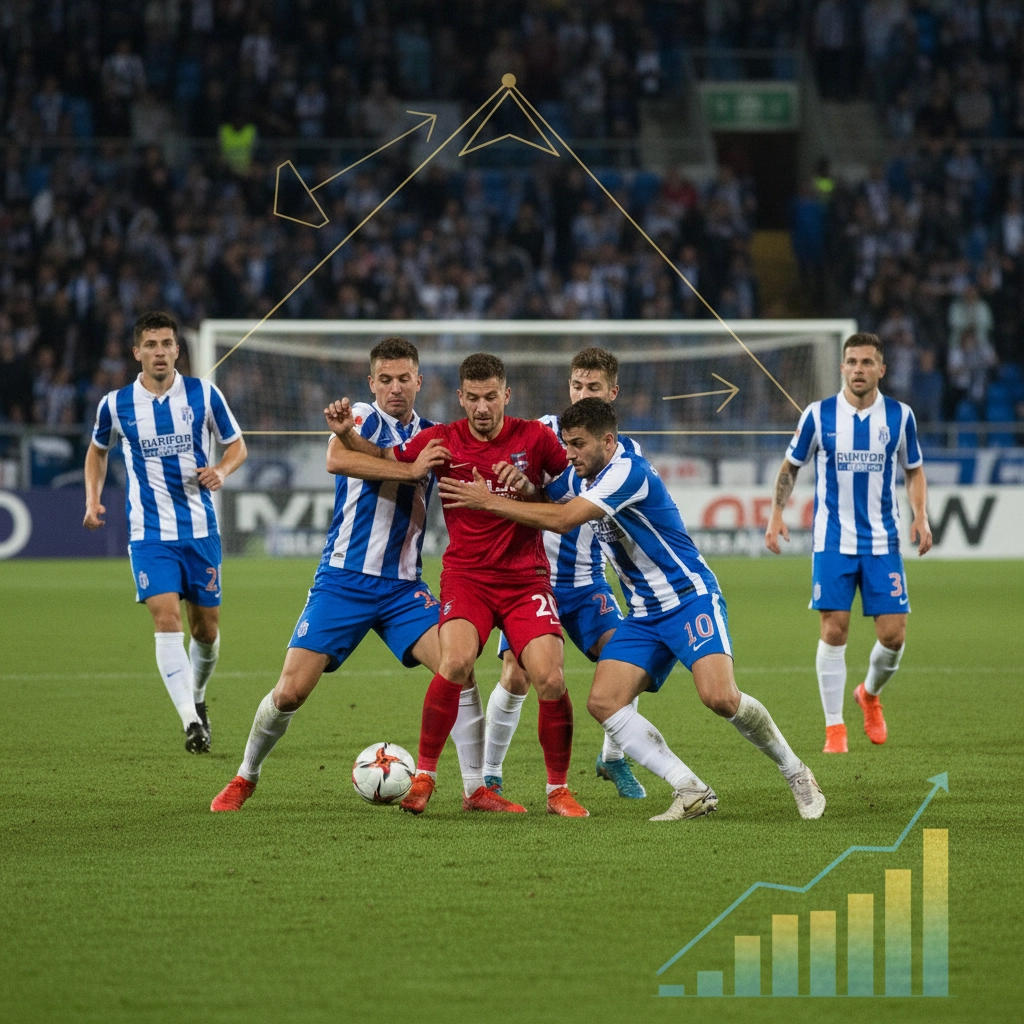
Why gegenpressing matters for how a match unfolds and for your bets
Gegenpressing — often called counter-pressing — is a high-intensity defensive strategy in which a team immediately presses to regain possession after losing the ball. If you watch modern soccer, you’ll see it used by teams that want to turn opposition mistakes into instant scoring chances. For bettors, understanding gegenpressing helps you anticipate momentum swings, goal bursts, and late-match fatigue that affect markets like total goals, first-half markets, and live betting opportunities.
How gegenpressing works on the pitch: the mechanics you should recognize
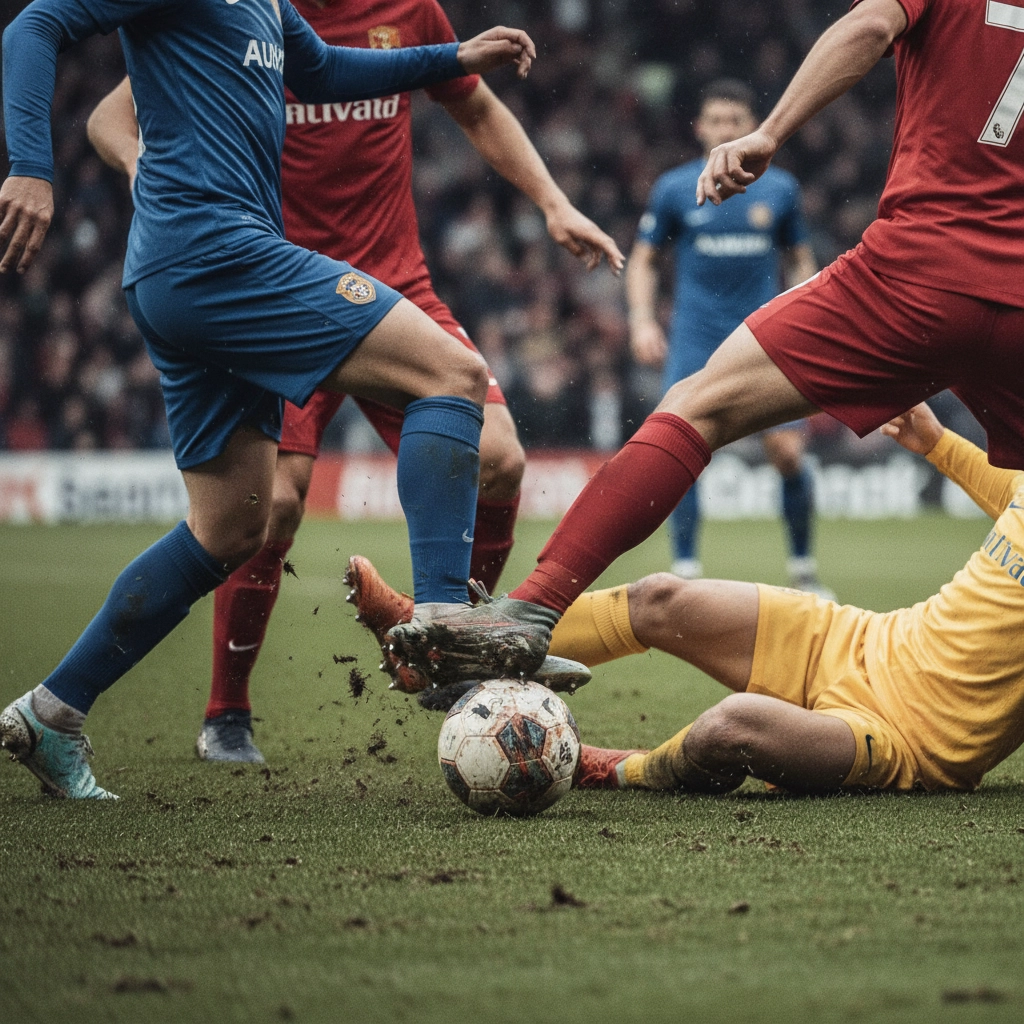
At its core, gegenpressing depends on timing, positioning, and quick reactions. When a team loses the ball, teammates close down nearby opponents as a unit to prevent an easy pass and to win the ball back high up the field. Key mechanical elements you should be able to spot:
- Immediate swarm: Multiple players converge on the ball carrier within seconds to limit passing options and create turnovers.
- Compact shape: The team remains narrow and close together so passing lanes are squeezed and interceptions are more likely.
- High defensive line: Many gegenpressing teams defend higher up the pitch to keep play in the opponent’s half and maintain pressure.
- Transitions as attack: Winning the ball back near goal often leads to quick, direct attacks before the opponent can reorganize.
- Fitness and rotation: The intensity requires deep squad fitness and frequent substitutions to maintain pressing quality throughout the match.
Those components create distinctive match patterns: clustered sequences of short passes, sudden bursts toward goal after turnovers, and periods of frenetic action followed by lulls as players recover. Recognizing these patterns early in a match gives you an edge for pre-match and in-play decisions.
Practical signals you can use as a bettor when a team employs gegenpressing
You don’t need to be a coach to use gegenpressing information; you can watch for simple, observable signals that influence betting markets:
- Early pressing intensity: If a team is sprinting to press every loss in the first 20 minutes, expect higher short-term goal probability and chances of corners or shots from turnovers.
- Substitution patterns: Frequent like-for-like substitutions, especially in attacking midfield or wing positions, indicate the manager is protecting pressing intensity — fatigue later on becomes a factor.
- Turnover locations: Turnovers in the opponent’s half are more valuable than those in midfield; more high turnovers typically correlate with more expected goals (xG) for the pressing team.
- Vulnerability to counter: If the opposition has fast, direct forwards and the pressing team leaves large gaps behind, expect counter-attacking chances and potential quick concessions.
By combining these signals with pre-match form and team fitness news, you can form hypotheses about likely goal timings and match volatility. Next, you’ll learn how to translate those observations into specific betting markets and in-play strategies to exploit gegenpressing patterns.
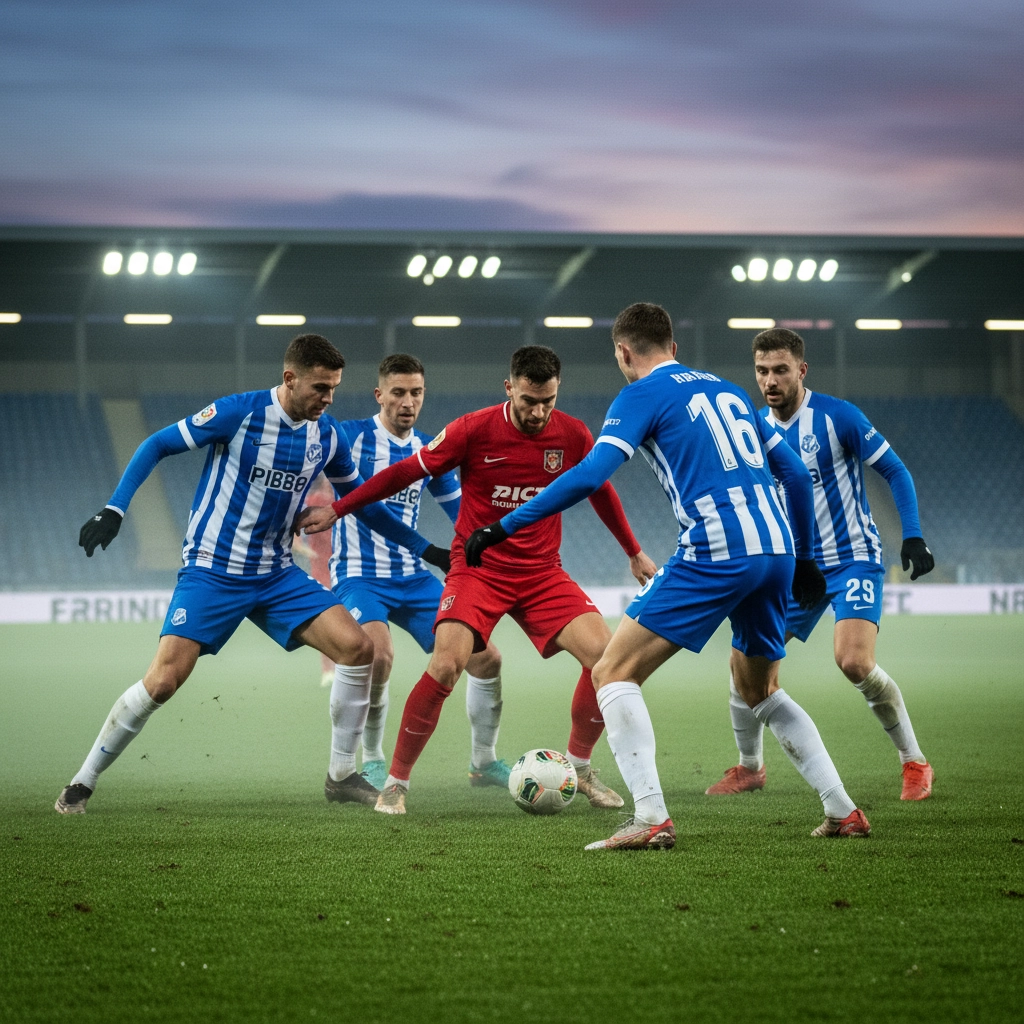
Which betting markets typically offer value when gegenpressing is a factor
Once you’ve identified a team that will try to gegenpress, certain markets are more likely to offer value because they directly reflect the on-pitch consequences of sustained, high-intensity pressing. Consider these options and why they matter:
- Total goals (Over/Under): Gegenpressing increases stopp-start play and generates high-quality chances from turnovers, which tends to push goal expectation up — especially in the first half. Look for value on over markets early or for second-half overs if you expect pressing to pay off before fatigue sets in.
- Both teams to score (BTTS): A pressing team creates chances but may also leave space behind. BTTS is a natural fit when a high-pressing side faces a quick, direct opponent.
- Next goal / goal within X minutes: Short-term memory matters. After a turnover high in the opponent’s half, markets like “next goal” or “goal in next 10/15 minutes” can be profitable because gegenpressing creates immediate, concentrated attack windows.
- Corners and shots on target: Pressing often forces opponents into hurried clearances and wide play, increasing corner counts and shot volume. Markets tracking corners and total shots can be exploited, particularly in the opening 30 minutes and during periods of sustained pressure.
- Cards and fouls: High pressing leads to more defensive fouls and tactical fouls to stop counters. If you expect desperation defending or physical responses, look at total cards or player card markets.
- Asian handicaps and live spreads: If a pressing team starts strongly, Asian handicap lines may not reflect the sudden uptick in expected goals. Conversely, if pressing fades, the underdog’s live handicap can present value if they begin exploiting space.
Live-betting playbook: timing, triggers, and when to step back
Gegenpressing is inherently temporal — its value rises and falls across a match. For live bettors, timing your entries and exits around observable triggers is crucial:
- Early aggression window (0–25 minutes): If you see coordinated high pressing and turnovers in the attacking third, target short-term markets (next goal, first-half over, corners). Small, quick positions often capture the immediate conversion of turnovers into chances.
- Monitor substitution timings: When managers bring on fresh legs in midfield or wide areas, pressing quality is likely to be preserved. Stake increases can be justified when a like-for-like sub arrives; conversely, if a pressing specialist is withdrawn, consider hedging or laying back.
- Watch for fatigue patterns (after 60–70 minutes): Intensity drop-off is predictable. If pressing visibly weakens — players slow to close, gaps open between lines — switch to markets favoring counters and under goals (e.g., under 2.5, opponent to score next).
- Use momentum resets: Set pieces, stoppages, or halftime provide moments when the pressing team can regroup. If they regain organized pressing after a lull, that restart is a better entry point than chasing bets mid-collapse.
- Risk controls: Because gegenpressing-driven matches are volatile, keep stakes smaller and use cashouts or partial hedges to lock profits when swings occur. Avoid large pre-match bets on single-scorelines unless the data and context strongly support them.
Applying these market preferences and live triggers — combined with discipline around staking — turns observation of gegenpressing from a tactical curiosity into a practical edge for smarter soccer betting.
Putting the tactic to work in your betting routine
Gegenpressing is a distinctive tactical fingerprint that, when correctly identified and managed, can sharpen your edge in both pre-match and live markets. Treat it like any other signal: observe regularly, test hypotheses with small stakes, log outcomes, and adapt your approach as teams and managers change. Prioritize discipline over chasing short-term wins — use substitution patterns, turnover locations, and visible fatigue as concrete triggers for sizing and timing bets. For a deeper tactical background you can reference gegenpressing on Wikipedia.
Frequently Asked Questions
How can I quickly spot a team using gegenpressing during a live match?
Look for immediate multi-player convergence on the ball after a turnover, a consistently high defensive line, and clustered attacking play in the opponent’s half. Early sustained sprinting to close down nearby opponents and frequent attempts to regain possession within seconds are clear live indicators.
Which betting markets respond fastest to gegenpressing patterns?
Short-term and event-driven markets tend to move fastest: next goal, goal within X minutes, first-half over/under, corners, and shots-on-target. Live Asian handicap swings can also offer value when pressing causes rapid changes in expected goals or momentum.
When is it unsafe to base a bet on gegenpressing?
Avoid relying on gegenpressing when a team shows early signs of fatigue, lacks depth for like-for-like substitutions, or faces a counter-attacking opponent with superior pace. Also be cautious in matches where weather, pitch quality, or referee leniency could disrupt pressing patterns.