Why the battle between high press and possession matters for your bets
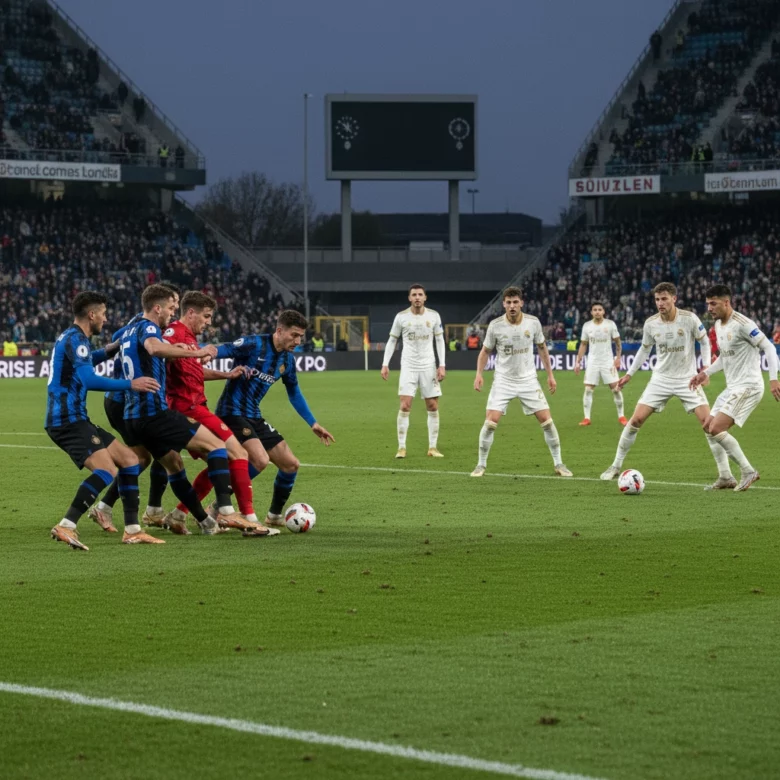
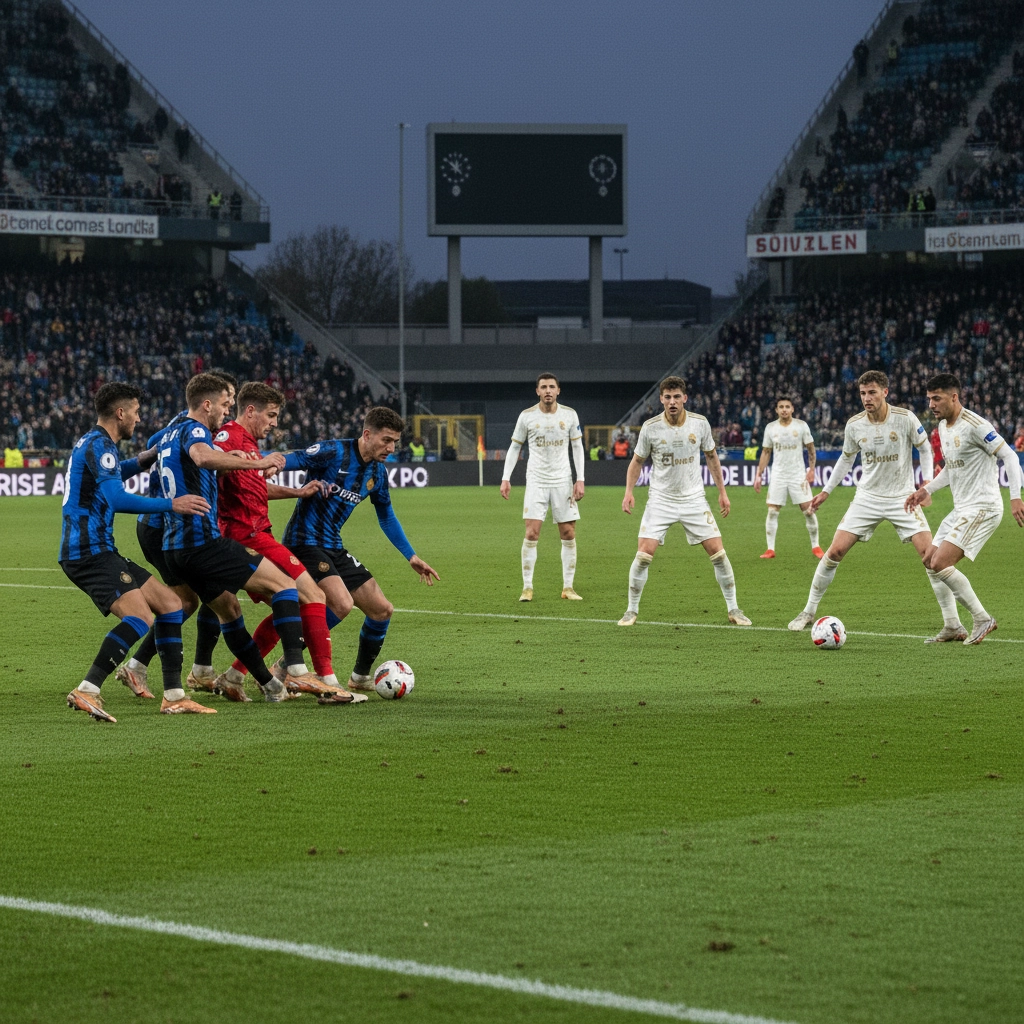
You make better betting decisions when you understand the way teams impose their style on a game. Gegenpressing (high-intensity counter-pressing) and possession play are philosophical opposites: one seeks quick turnovers and rapid transitions, the other prioritizes control, patient build-up, and territorial dominance. As a bettor, you want to translate those tactical tendencies into market edges — which matches will be chaotic with many short-term momentum swings, and which will be steady with few clear chances. Recognizing those patterns before and during a match helps you choose between totals, match outcome, corners, cards, and live-play trades.
How gegenpressing creates distinct betting signals
When you face a team that relies on gegenpressing, anticipate intense early pressure, frequent turnovers near the opponent’s half, and a higher chance of quick transitions. Those characteristics influence several betting markets.
- Goals market: Gegenpressing can produce volatile goal swings. Expect more short bursts of shots and counter opportunities — good for backing both teams to score or over 2.5 goals in games where two high-press teams meet.
- First-half volatility: Many gegenpressing sides aim to unsettle opponents early. Consider early totals (first-half over/unders) and goal-line markets that react to the opening 20–30 minutes.
- Cards and fouls: High press often generates tactical fouls and physical duels as teams race back into shape. Handicap and card markets can be profitable if refereeing trends align with aggressive pressing patterns.
- Corners and set plays: Turnovers near the box often lead to crosses and forced clearances. Corner markets can spike in value, especially against teams that defend deep against pressure.
Tip: Check pressing metrics (pressures per 90, PPDA) and recent match tempo to estimate how relentlessly a team will hunt opponents. Also verify squad fitness — gegenpress relies on stamina; fatigued teams often drop pressing intensity, shifting the market outlook.
Why possession football alters where you find reliable bets
Possession-based teams slow the game, reduce raw chance frequency, and aim to control xG through patient passing. As a bettor, you must adapt: games dominated by possession tend to produce lower shot volumes and fewer chaotic transitions.
- Low-scoring probabilities: If a top possession team faces a compact low-block opponent, under 2.5 goals and low total corners are realistic plays.
- Match outcome stability: Possession dominance often correlates with sustained control of the game and predictable outcomes. Backing a superior possession team in 1X2 or double-chance markets can be lower-risk.
- Props tied to midfield control: Markets like passes completed, possession percentage, and progressive passes favor you when a team consistently controls the ball.
- Live-play patience: In-play opportunities often arise late — expect fewer early swings but more consistent accumulation of small edges (e.g., gradual odds shortening for the favorite).
Tip: Look at passing networks, build-up success, and opponent pressing tendencies. A team that keeps possession but struggles to convert possession into good shots might be a candidate for both-team-to-score negatives and under goals markets.
With these foundational contrasts clear, next you’ll see how to map specific markets to typical matchups (gegenpress vs possession), including concrete pre-match checks and live betting readouts.
Mapping markets to matchups: concrete plays for common head-to-heads
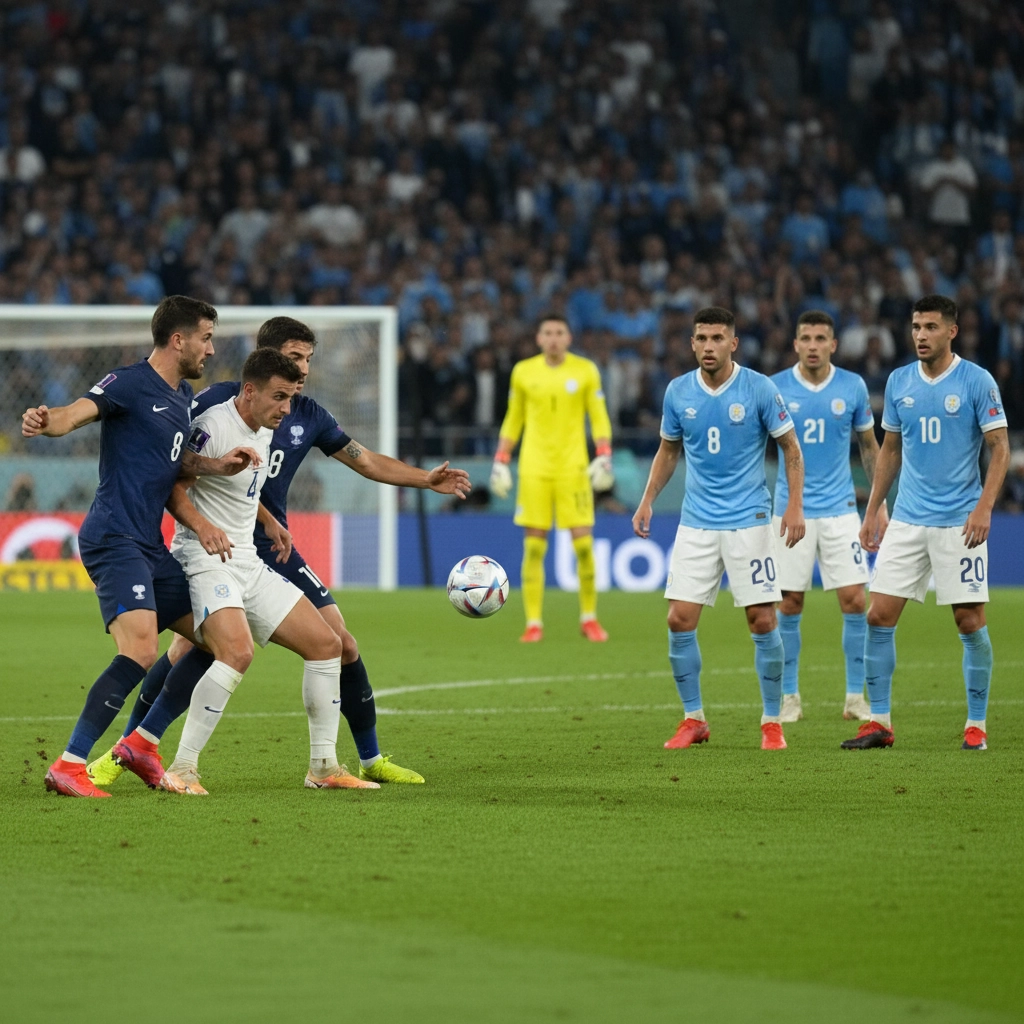
Now translate style matchups into specific markets. Below are practical plays for recurring pairings you’ll see across leagues.
- Gegenpress vs Gegenpress: Expect end-to-end action. Primary targets: BTTS, over 2.5 goals, and first-half goal markets. Also watch corners — both teams will force wing entries and defensive clearances. Consider alternative over lines (2.75 or 3.0) if teams are evenly matched and bookmakers price volatility high.
- Gegenpress vs Possession (pressing side is underdog): The pressing side will seek early disruption; early markets (first 20–30 minutes over/BTTS) and cards are valuable. If the possession team is technically superior, back the favorite in 1X2 but hedge with first-half under/under 1.5 late if the favorite wrestles control.
- Possession team vs low-block opponent: Low shot volumes and few clear-cut chances. Play under 2.5 goals, low corners, and possession/passes-completed props for the favorite. Be cautious about BTTS unless the low-block team counters quickly or has clinical forwards.
- Possession vs possession (two technical sides): Often a chess match — low tempo, few early chances, spikes late when fullbacks push. Live markets become important: gradual odds shifts, plus Asian handicap lines for the superior side if they win territory but not chances.
Pre-match checklist: metrics and situational filters that matter
Before you place a stake, run a quick checklist that combines tactical metrics with contextual filters:
- Pressing/possession metrics: PPDA (lower = more pressing), pressures per 90, possession share, progressive passes. Compare each to the league median rather than absolute numbers.
- Chance creation and finishing: xG per shot, shots in the box, shots on target. A possession team with high possession but low xG is a red flag for under goals.
- Fitness and rotation: Pressing teams exposed by fixture congestion—check minutes played and recent travel. Freshness materially affects pressing intensity.
- Referee and weather: Lenient refs reduce card-based plays; heavy rain or wind can flatten possession advantages and increase turnovers.
- Line movement: Early sharp moves against your idea can indicate informed money — reassess rather than blindly follow.
In-play readouts: quick signals to switch markets or lock profit
Live betting rewards pattern recognition. Use these quick rules once the match starts:
- First 20 minutes intensity: If a press isn’t applied (low pressure counts, possession not challenged), drop first-half overs and pivot to possession props or match-winner markets.
- Fatigue window (60–75’): Gegenpress teams tend to fade here; look for late corners, more defensive errors, and higher chance of conceding. This is where late over/BTTS plays often pay.
- Substitution indicators: Defensive subs on a pressing side signal reduced intensity — hedge over/BTTS and consider trading out of aggressive lines.
- Shot quality spike: One or two high-xG chances shift the game’s expected goals quickly—back immediate outcome markets (goal/next goal) but size stakes conservatively.
- Card accumulation and tactical fouls: If a team accrues yellows early, expect more stopping play under pressure; favor handicaps or small-margin outcome bets rather than volatile totals.
These checks and rules let you move from theoretical style-read to actionable trades — the next part will show exact bet examples and bankroll sizing approaches for each archetypal matchup.
Practical bet examples and bankroll rules
Below are concise, real-world bet templates and simple staking rules you can apply immediately. Treat these as starting points — always adjust stake size to your own bankroll and confidence level.
-
Gegenpress vs Gegenpress — typical plays: pre-match BTTS and over 2.5 goals; stake 1–1.5% of bankroll on each. In-play: if both teams start intensely, a small first-half over 0.5 goal play (0.5–1%).
-
Gegenpress (underdog) vs Possession (favorite) — typical plays: back the favorite in 1X2 with a small hedge on first-half markets (under/over 0.5 goals) or card markets depending on referee; stakes 1% on the match outcome, 0.5–1% on early micro-markets. Reduce exposure if the pressing side shows early signs of fatigue.
-
Possession team vs Low-block — typical plays: under 2.5 goals and low corners; stake 1–2%. Consider possession/passes-completed props (0.5–1%) if the favorite historically dominates passing metrics.
-
Possession vs Possession — typical plays: wait for live edges. Use small stakes (0.5–1%) on Asian handicap lines or late-match over/under moves when fullbacks push (60–85′). Avoid large pre-match totals unless you have clear evidence of attacking intent.
-
Staking rules: use flat units (1 unit = 1%–2% of bankroll) for most bets. For mathematically estimated edges, you can reference the Kelly criterion, but cap Kelly-suggested stakes (e.g., 1–2x Kelly cap) to limit volatility. Always record every stake and outcome and never chase losses.
Responsible, repeatable approach
Make tactical reading a repeatable habit: test small, log everything, and iterate. Focus on process (pre-match checklist, live readouts, stake discipline) rather than short-term results. Limit exposure by using reasonable unit sizes, pause after losing runs to reassess your model, and treat betting as an analytical exercise — not a prediction of certainty. If you need resources on staking strategies and probability sizing, authoritative guides can help sharpen your approach.
Frequently Asked Questions
How do I tell if a team will stick to gegenpressing on a given day?
Look at recent pressures per 90, PPDA, heatmaps, and manager comments about intent. Squad fitness, fixture congestion, and substitutions history (early defensive subs) also indicate whether a team will maintain high-intensity pressing.
When is BTTS a poor play even if both teams press?
BTTS becomes risky when one pressing side lacks finishing quality (low xG per shot), the opponent sits very narrow in a deep low block, or weather/referee conditions reduce chances. Also be wary if data shows pressing intensity dropped in recent matches due to fatigue.
Should I use flat staking or Kelly when betting style-based markets?
For most bettors, flat staking (1–2% units) provides bankroll protection and simplicity. Kelly is useful for formal edge sizing but is sensitive to input errors—if you use it, scale it down (e.g., half-Kelly) and enforce a cap to avoid large variance.