High press vs low block: why formation clashes change betting angles
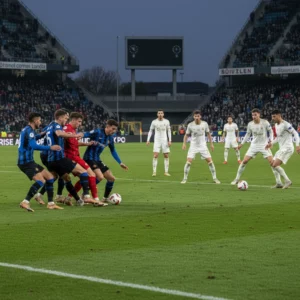
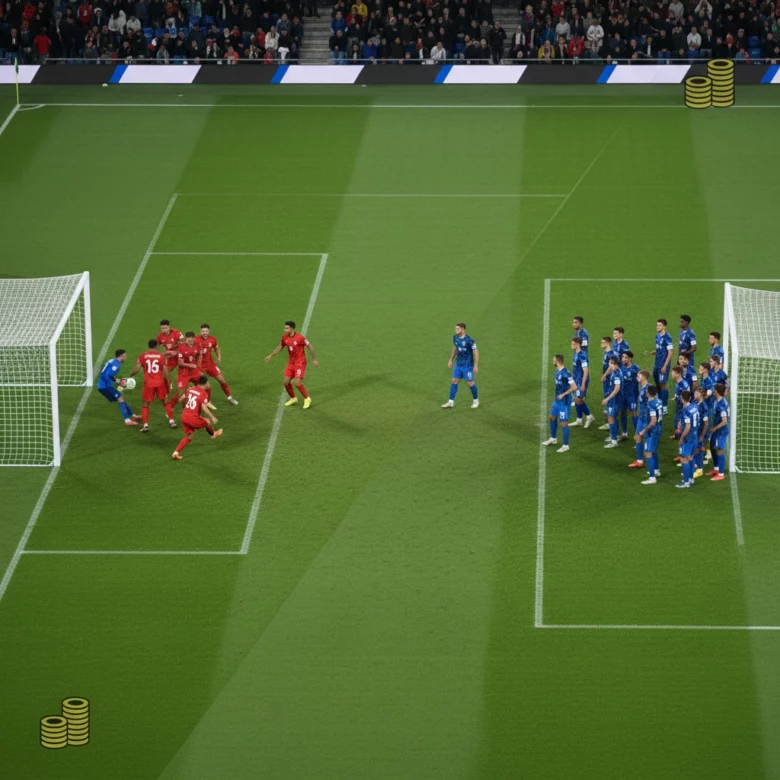
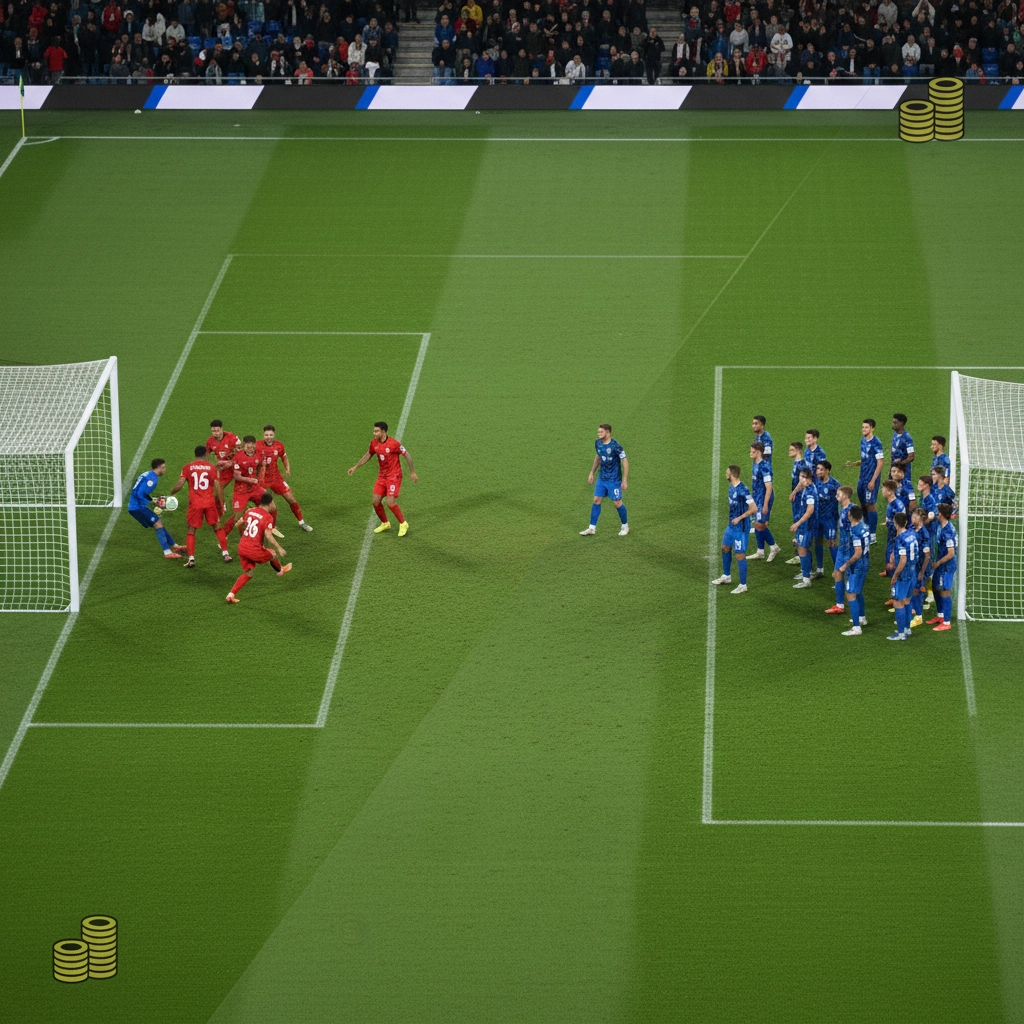
You already know formations shape how a game flows, but when a high press formation meets a low block, the tactical contrast creates predictable patterns you can exploit as a bettor. A high press (teams pushing their forwards and midfielders to pressure opponents high up the pitch) forces errors, increases turnover opportunities, and often drives a higher tempo. A low block (compact defensive lines sitting deep) invites possession but minimizes space between lines and encourages low-risk defending.
Understanding these behaviors helps you anticipate match events like early corners, counterattacks, expected goals swings, and the likely timing of scoring opportunities. Rather than betting on feel, you should base choices on the tactical matchup, team tendencies, and the game state you expect to develop.
How tactical intent maps to betting markets
- Over/Under goals: A high press vs low block can produce fewer goals than two open teams when the low block succeeds; however, if the press forces turnovers in dangerous areas, look to late-game overs as fatigue sets in.
- Corner markets: High pressing teams generate more corners through sustained attacks; if the low block clears into touch under pressure, corner counts climb.
- Cards and fouls: Intense pressing increases fouls in advanced areas; late frustration from a low block under siege can produce bookings.
- In-play markets: Expect momentum shifts — early red cards or substitutions can drastically change available value as the high press either doubles down or withdraws.
Key team traits and stats to check before staking
Before placing money, look beyond formation labels to measurable traits. Two teams both listed as “high press” may press with different intensity or success rates; similarly, a “low block” may vary in compactness and counter capability. Check these metrics:
- Pressing PPDA (Passes Allowed Per Defensive Action): Low PPDA indicates aggressive pressing; you want to know whether the pressing team consistently forces turnovers in the final third or only in midfield.
- Possession-to-shot conversion: If the low block concedes shots only from distance, expected goals (xG) will be low; if pressing teams convert possession into high-xG chances, totals rise.
- Counter-attack xG and transition speed: A deep low block with fast counter attackers is vulnerable to turnovers — but may also punish an overcommitted press.
- Stamina and substitution patterns: Teams that maintain high intensity late into matches are more likely to break low blocks in the final 20 minutes.
Combine these stats with qualitative factors: home/away tendencies, manager instructions, and weather or pitch conditions that favor or hinder pressing football. With these foundations, you can start constructing specific bets — for example, targeting late overs, corners, or even xG-based prop markets depending on the matchup. In the next section you’ll get practical match-up templates and step-by-step betting strategies for common high press versus low block scenarios.

Practical match-up templates and suggested markets
Below are repeatable templates you can apply quickly when scanning fixtures. Each template pairs a short tactical read with markets that historically offer value in that matchup.
– High press heavyweights vs organized low block (pressing team superior in squad quality)
– Expected pattern: controlled early pressure, few clear-cut chances for the first 30–60 minutes, increasing imbalances as fatigue sets in.
– Markets to consider: First-half under 1.5 goals (if lines are soft), second-half over 0.5 or over 1.5 after 65’, Asian total for 2.0+ goal swing, late corners market (65’+). Player props: shots on target for the pressing striker, interceptions/pressing stats for attacking midfielders.
– High press tempo but low conversion vs compact low block with quick counters
– Expected pattern: lots of possession and turnovers high up, occasional high-quality counters from deep — score may hinge on a single break.
– Markets to consider: Both Teams To Score (BTS) with small stake if the low block has pacey wingers; anytime scorer for counter attackers; market for early card accumulation (pressing fouls in advanced areas). In-play: back a low-odds counter-attacking goal after an early red card or if wide fullbacks push high.
– Evenly matched teams where press succeeds only in midfield
– Expected pattern: territorial advantage without many high-xG chances; matches trend toward set pieces and long-range attempts.
– Markets to consider: Under 2.5 goals, corners over/under depending on whether the press results in sustained pressure, half-time draw/second-half result split. Bet on shots from outside the box or goalkeeper saves lines.
– Underdog low block vs overzealous press (opportunity for upset)
– Expected pattern: the low block invites pressure and profits from rare transitions; emotional pressure can force the favorite into risky play.
– Markets to consider: Draw or away-win +1 Asian handicap, low-odds outright upset multiples, value in number-of-corners for the pressing side fading late if they fail to break through.
When applying these templates, weight them with the stats you already check: PPDA, transition xG, and late-game stamina. Always compare live odds to the implied probabilities suggested by these tactical expectations.
Step-by-step in-play approach: timing bets and managing risk
A disciplined in-play routine keeps you from reacting to noise. Use the following steps as your checklist during matches.
1. First 20 minutes — confirmation window
– Look for actual pressing intensity (aggression in midfield, goalkeeper distribution under pressure). If the high press hasn’t won the ball in dangerous areas, avoid large early overs. Consider small stakes on first-half unders or a corners market if the press produces multiple blocked clearances.
2. 20–65 minutes — exploitation window
– This is where patterns emerge. If the low block is absorbing pressure but not conceding, scale into second-half overs or corner accumulation markets at lower prices. If the pressing side shows potency (shots from inside the box, sustained xG spikes), increase stake size proportionally.
3. 65 minutes onward — fatigue and substitution window
– Pressing teams and full-backs tire here. Look for late over goals, corners, or bookings. If the low block substitutes in fresh pace, consider counter-attacking scorer markets or small hedged positions. If the press withdraws or manager changes shape, move to conservative positions (cash-outs, low-risk draw markets).
Risk management rules
– Use proportional staking: smaller stakes in early windows, increasing only when tactical evidence supports it.
– Set pre-determined stop-loss and profit-take thresholds (e.g., cash out if a bet loses 60% of expected value or take profit at +50%).
– Avoid chasing after a single unexpected event (red card or freak goal). Reassess pattern, not emotion.
Stick to these templates and the ritualized in-play steps: read, confirm, exploit, and protect. Over time you’ll see which tactical nuances consistently yield value and which are just noise.

Putting tactics into practice
Turn the templates and in-play routine into a repeatable habit: test small, record outcomes, and refine your reads rather than chasing single results. Use reliable data sources to confirm pressing and transition tendencies, keep strict bankroll rules, and treat each tactical read as a hypothesis you must validate live. For accessible team-level pressing and chance-quality data, check detailed pressing and xG data on FBref.
- Do small, systematic tests (same stake, same market) to measure which templates actually predict value for you.
- Log the confirmation cues you used (PPDA, high xG chances, substitutions) so you can improve timing and staking.
- Protect your edge: if odds move away from implied value or the tactical pattern breaks, step back and reassess.
Frequently Asked Questions
How can I quickly verify a team’s pressing intensity before a match?
Look at PPDA and recent match heatmaps or pressure maps, check the number of possession regains in the final third, and read short scouting notes on manager instructions. If those metrics are unavailable, review highlights for high turnovers or live-match commentary in the first 20 minutes to confirm real pressing intent.
Which markets usually offer the best value when a high press meets a low block?
Corner markets, second-half over lines (especially after 65 minutes), and in-play prop markets for late goals tend to show consistent value. Small-stake Both Teams To Score and Asian handicaps for the underdog can also work depending on transition speed and conversion rates.
When should I avoid betting on tactical matchups like these?
Avoid bets when there’s uncertainty about lineups, severe weather or poor pitch conditions, major in-game events that invalidate the read (early red card or tactical substitution), or when the market price offers no edge versus your assessed probability. If you can’t confirm the pattern in the opening 20 minutes, reduce stake sizes or skip the market.