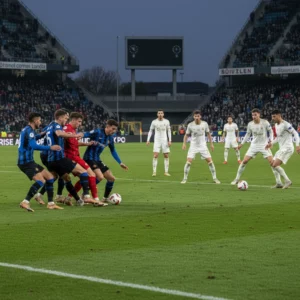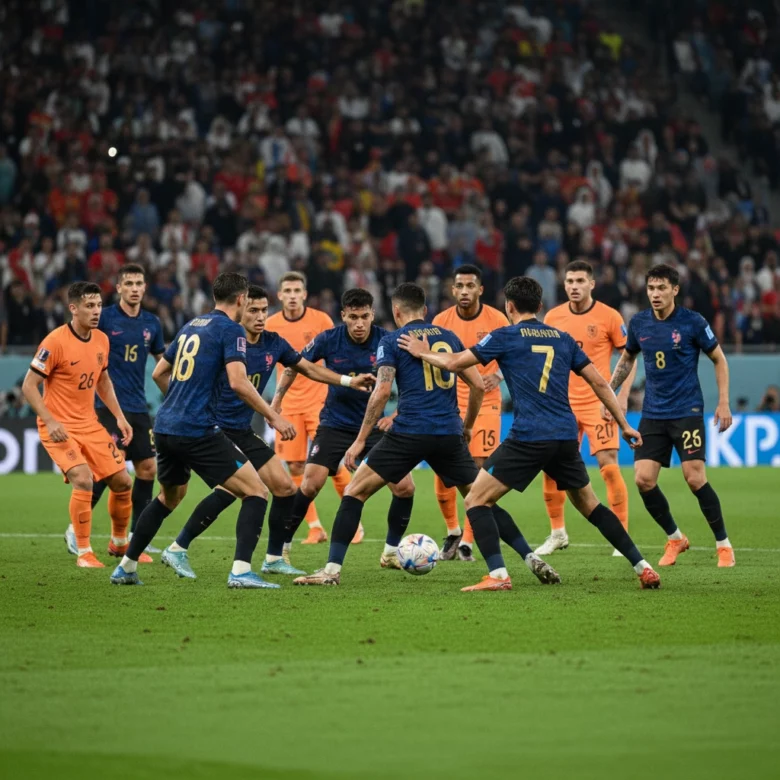
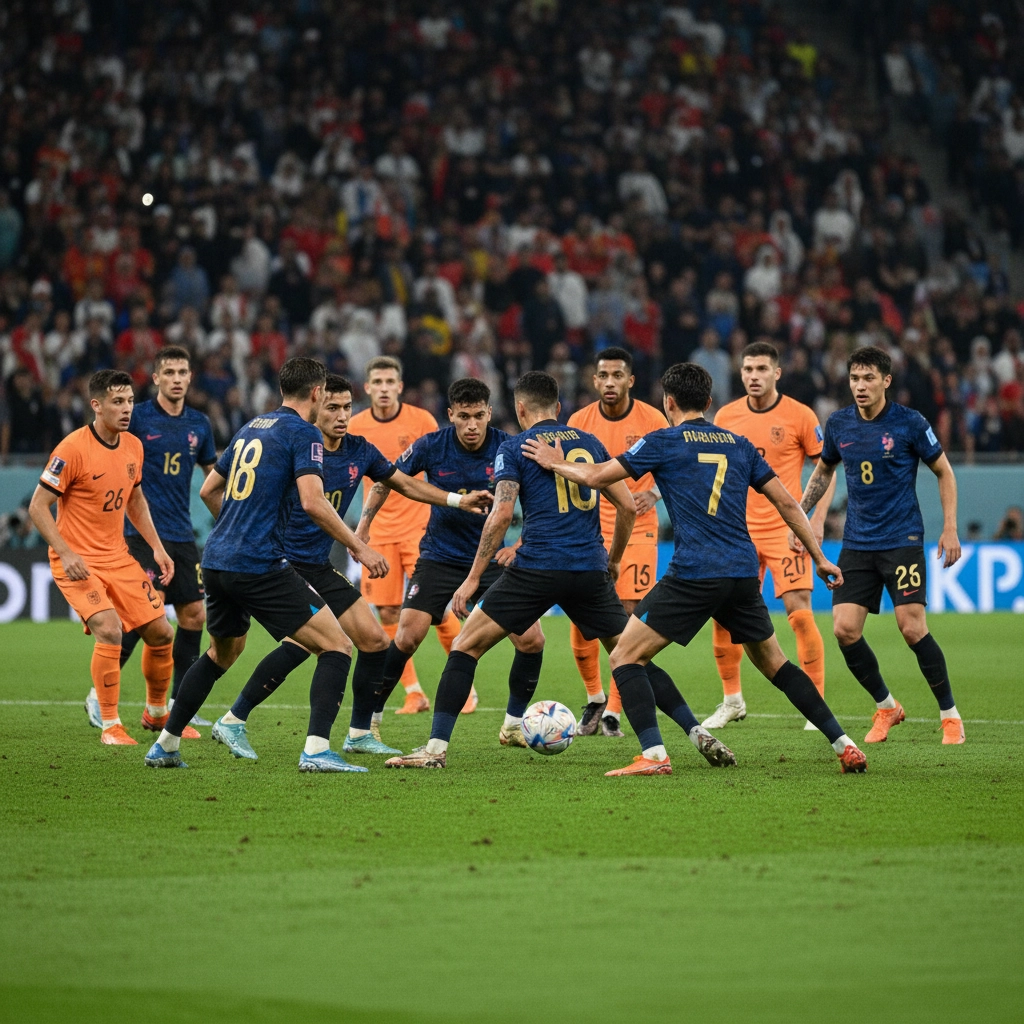
Why a tactical shift like gegenpressing matters for how you read odds
You probably watch soccer expecting possession, build-up play, and gradual chance creation. Gegenpressing — the high-intensity, immediate pressure after losing the ball — rewired that expectation. When teams commit to winning the ball back within seconds, the structure of possessions, the timing of chances, and the flow of matches change. That, in turn, alters the statistical inputs bookmakers use to price markets. Understanding that causal chain is the first step to spotting where odds can lag tactical reality and where value betting opportunities emerge.
How pressing changes game events you should watch
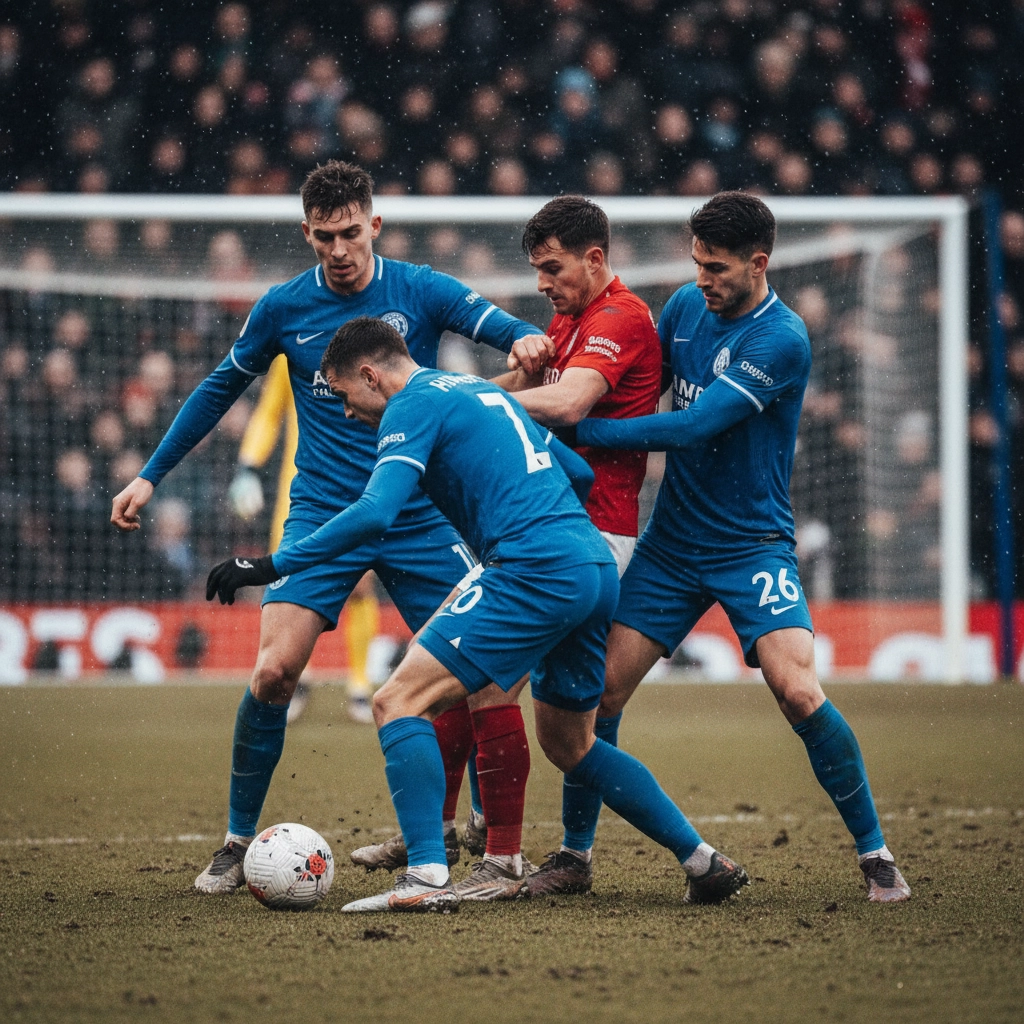
Gegenpressing doesn’t only look energetic on TV; it reshapes measurable events. As you observe teams that press aggressively, you’ll notice several consistent effects:
- Higher turnover frequency in transitional zones rather than quiet build-up phases.
- More fast-break chances immediately after regaining possession, often closer to goal.
- Altered shot distributions — shorter sequences but a higher rate of shots per turnover.
- Greater match variance: the team pressing may create sudden goal flurries, even if overall xG totals remain similar.
For bettors, these event changes matter because bookmakers’ models are often calibrated to longer-term averages of possession, shot locations, and scoring rates. A tactical regime that rearranges when and where chances occur can create short-lived mismatches between the true likelihood of events and the odds offered in pre-match or live markets.
From tactical nuance to measurable market impact
To translate tactical behavior into betting implications, you’ll want to connect three pieces: tactical metrics, event probabilities, and market response. Metrics like PPDA (passes per defensive action), turnovers in the final third, and counter-attack xG capture how intensely a team presses and how effective those presses are. When a team exhibits sustained improvements in those metrics, the conditional probability of quick goals or late-game swings rises.
Why bookmakers sometimes misprice gegenpressing effects
- Model inertia: many pricing models rely on season-long averages; sudden tactical adoption can outpace model updates.
- Data granularity: live markets react to visible events, but some pressing benefits (e.g., increased short-term conversion rates) are subtle and require event-level tracking to detect.
- Variance underestimation: a pressing style increases scoreline volatility — markets that assume lower variance will underprice draw and comeback probabilities.
Those mismatches are where you can find value. By focusing on teams known for effective gegenpressing and tracking the right micro-metrics, you can anticipate when odds lag reality — especially in live markets after repeated turnovers or an early press-induced chance spree.
In the next section, you’ll walk through a concrete match-level case study showing how these tactical signals appeared in the data and where the odds failed to reflect them, allowing disciplined value bets to be placed.
Match breakdown: how the press unfolded in the data
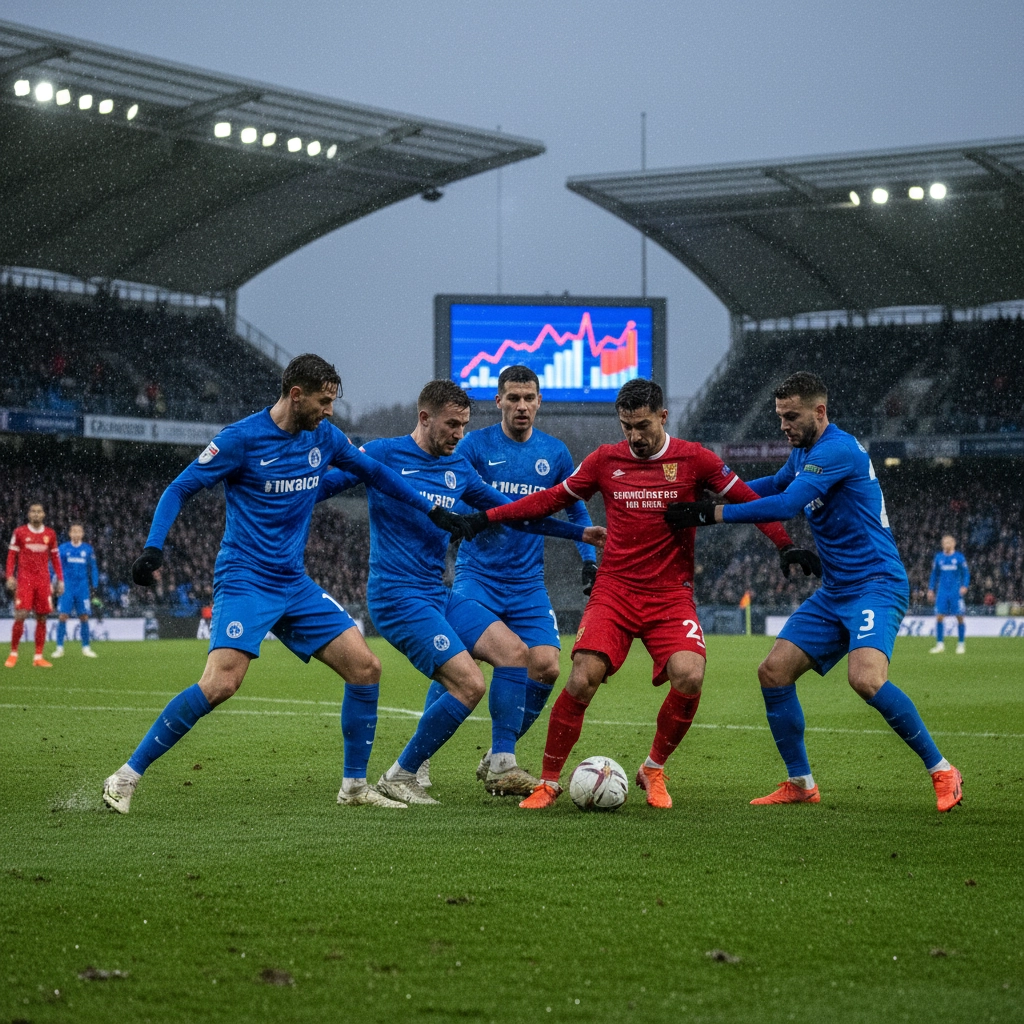
In a mid-table league fixture, Team P — newly coached with a gegenpress-first philosophy — faced Team C, a possession-oriented side. Pre-match scouting flagged Team P’s PPDA at 7.1 (top-quartile league level) and a post-loss recovery rate of 68% within six seconds, both marked improvements since the manager’s arrival. Bookmakers priced the match conservatively: Team C favored at 2.10, draw 3.30, Team P 3.60. Those prices reflected season-long outcomes, not the recent tactical spike.
The game narrative validated the scouting metrics. In the first 20 minutes Team P forced 8 turnovers in the opponent’s half (up from their season average of 3 per 20 minutes). Key measurable shifts:
– Final-third turnovers: 8 (season average 3)
– Shots per turnover: 0.45 (season average 0.18)
– Counter-attack xG per turnover: 0.09 (season average 0.03)
– Time between regains and shot: median 9 seconds (season median 22 seconds)
Two high-value sequences stand out. At 12’ Team P pressed a forced pass from Team C’s center back, recovered the ball 25 yards from goal and fired a high-quality shot saved on the line — sequence xG ≈ 0.28. At 19’ another turnover led to an open half-volley that missed by inches (xG ≈ 0.17). Within 20 minutes Team P had created more expected goals (0.65) than their average first-half total (0.24).
Those micro-events matter because they compress chance creation into short bursts. The pressing team’s conversion rate per turnover in the opening 20 minutes was 12.5%, quadruple their season conversion on similar turnovers. Variance spiked: Team C, who typically concedes few early chances, found their match-up profile inverted by sustained high PPDA and rapid transitional entries.
How the market lagged and where value bets appeared
Bookmakers reacted slowly. Pre-match implied probability underestimated the immediacy of Team P’s threat; live markets only trimmed Team P’s odds after a shot-heavy period (odds shortened from 3.60 to 2.50 after 20 minutes). That delay created two reproducible value windows.
1) Next-goal / Anytime scorer markets (early-live): After two recovered possessions producing high-xG shots, the market priced Team P to score next at 2.20 (~45% implied). Using observed turnovers and conversion — 8 turnovers producing 0.65 xG and a conversion ~12.5% — the true chance of an imminent goal was closer to 60% (fair odds ~1.67). Backing Team P for the next goal in that 10–25 minute window was value.
2) Correct-score and comeback exposures (mid-game): Despite domination in transitional metrics, the match remained 0–0 into halftime. The draw price remained attractive (3.30) because bookmakers underweighted the increased late-game variance caused by the press: teams that press intensely late generate more late xG spikes. In live play, when Team C pushed forward to avoid conceding possession in dangerous areas, Team P’s pressing created even higher-quality counters. Laying the draw or backing Team P +1 (Asian handicap) at favorable odds reflected the higher conditional probability of a late Team P goal.
Risk management is vital: target bets to event windows where the tactical signal is strongest (first 25 minutes after sustained regains, or the last 20 minutes when stamina-induced pressing errors rise). Use small, calculated stakes and update probabilities with each turnover sequence — the market will often catch up, but disciplined timing on these specific windows captures the value created by gegenpressing before odds adjust.
Putting pressing signals into daily practice
If you want to turn the tactical edge posed by gegenpressing into a repeatable trading idea, treat it like a small research program rather than a gut hunch. Build a short watchlist of teams that have recently changed coaches or publicly committed to high PPDA figures, instrument a simple live dashboard (turnovers in the final third, recovery-within-6s rate, shots-per-turnover, and counter-attack xG), and backtest your targeted betting windows against historical matches. Start with low stakes on the first dozen real bets to validate your probability adjustments, then scale only when edges persist. For reference on measuring pressing and its event-level footprints, see StatsBomb analysis of pressing — it’s a useful source for detailed event definitions and examples.
Frequently Asked Questions
How quickly do bookmakers usually adjust odds after a team starts pressing effectively?
It varies by market and platform. Pre-match markets are slowest because they lean on season averages; live markets react faster to visible sequences (shots, big chances, turnovers). In the case study the market began to correct after about 20 minutes of sustained high-pressure sequences. The practical takeaway: target short windows immediately after conspicuous press-led turnovers and before the live market fully prices repeated high-xG sequences.
Which metrics reliably indicate an effective gegenpress that could create betting value?
Key indicators are PPDA (low values, top-quartile relative to league), a high proportion of recoveries inside six seconds (recent upward shift matters), elevated final-third turnovers, increased shots-per-turnover, and a reduced median time from regain-to-shot. Look for sustained deviations from a team’s season averages rather than one-off spikes — that persistence is what creates predictable market edges.
How should I manage risk when betting on tactical shifts like gegenpressing?
Manage risk by (1) sizing stakes small relative to bankroll and limiting exposure to the specific tactical windows you’ve defined, (2) predefining stop-loss and profit thresholds for live bets, (3) updating your subjective probabilities after each turnover sequence rather than betting on impulse, and (4) keeping a clear log to avoid hindsight bias. Treat each placement as an experiment: track outcomes, refine your signals, and only scale positions when empirical edge is confirmed.