How GG and NG fit into your football betting choices
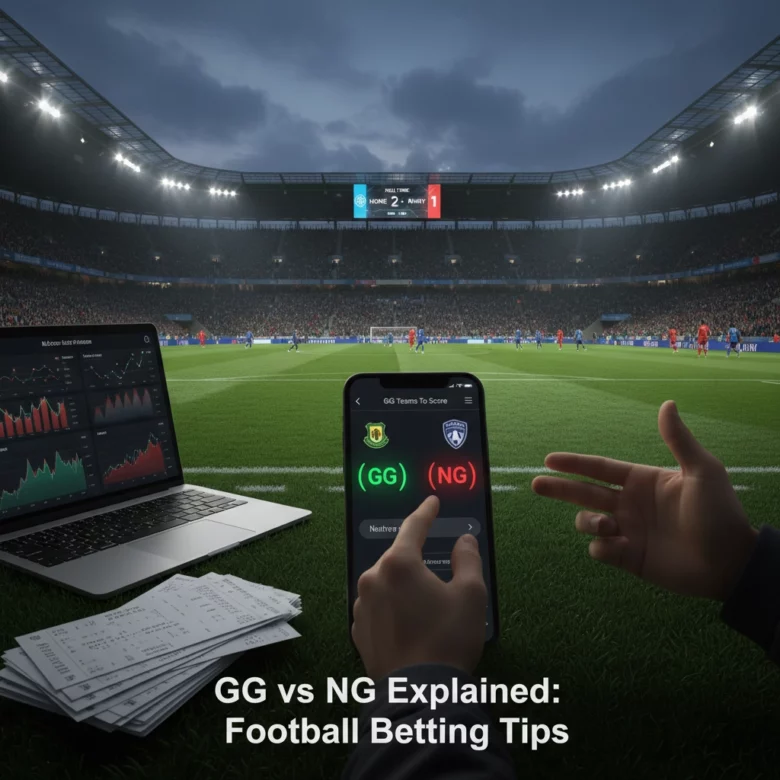
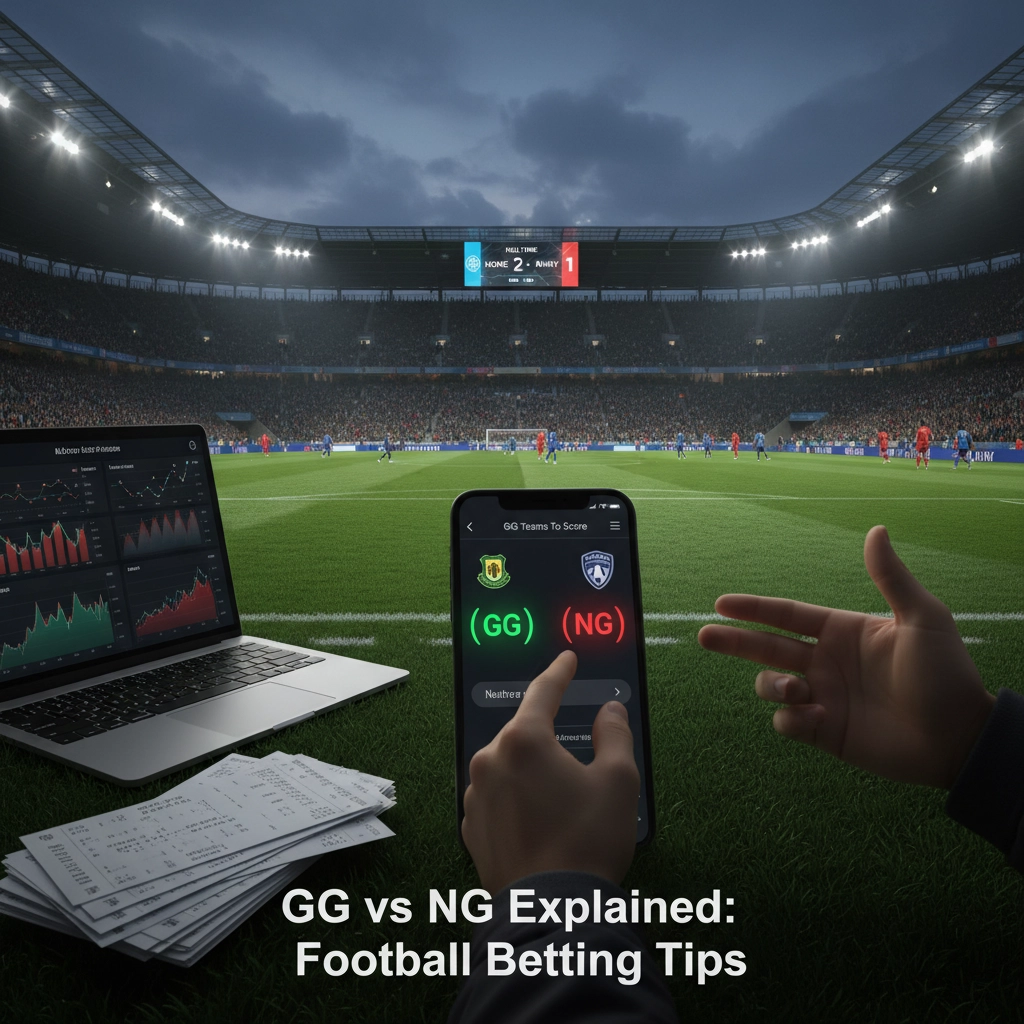
When you browse match markets, you’ll often see abbreviations that can be confusing at first. GG and NG are shorthand used in many sportsbooks to represent outcomes in the Both Teams to Score market. Understanding these two options helps you place clearer, more confident bets and improves your ability to manage risk and returns.
In practical terms, GG stands for “Goal Goal” (both teams score at least once) and NG stands for “No Goal” (at least one team keeps a clean sheet). These outcomes are binary, simple to grasp, and available across leagues and competitions — which is why both novice and experienced bettors use them to diversify staking strategies.
What GG, NG and BTTS actually mean for a match
GG (Both Teams Score)
If you back GG, you’re betting that both teams will score during regular time. It doesn’t matter which team wins or whether the match ends in a draw; as long as each team registers at least one goal, your bet wins. GG is popular because it separates goal-scoring dynamics from match results, letting you profit from open, attack-minded games even if your predicted winner is wrong.
NG (At Least One Team Keeps a Clean Sheet)
NG is simply the opposite: your bet pays out when one or both teams fail to score, meaning at least one team keeps a clean sheet. NG can be more attractive in tightly contested fixtures or when defensive records suggest a low-scoring match. Odds for NG vs GG will vary by matchup and market sentiment.
Early factors to weigh before choosing GG or NG
To make an informed GG/NG pick you need to assess context beyond team names. Here are practical, objective factors you can check quickly:
- Recent goal trends: Look at goals scored and conceded over the last five to ten matches for both teams.
- Head-to-head history: Some fixtures consistently produce goals or stalemates — h2h stats can reveal patterns.
- Squad availability: Missing strikers or key defenders shifts the balance toward NG or GG respectively.
- Playing style and tactics: Teams that press high or play attacking football create more chances for both sides to score.
- Home/away splits: Home teams often score more; away defensive weaknesses can make GG likelier.
- Motivation and competition stage: Cup fixtures, relegation battles, or early-season friendlies influence lineup strength and intent.
By combining these factors, you can form a quick pre-match view on whether GG or NG is the more probable outcome. In the next section, you’ll learn how to translate that view into practical staking approaches, market selection, and live-betting adjustments to improve your BTTS success rate.
Practical staking strategies for GG and NG
Once you have a pre-match view, the next step is deciding how much to risk. Both Teams to Score markets are binary and can swing quickly, so stake sizing and discipline are vital.
- Flat stakes for consistency: Use a fixed unit (e.g. 1% of bankroll) for most GG/NG bets. This reduces variance and makes performance easier to evaluate over time.
- Value staking: Increase stake when you identify clear value — i.e. your probability estimate for GG/NG is higher than implied by the odds. Keep such increases modest (1.5–2x your base unit) unless you use a formal sizing model.
- Kelly with caution: Kelly criterion can optimise growth but magnifies risk and requires an accurate win probability. If you use Kelly, apply a fractional Kelly (e.g. 10–25%) to limit drawdowns.
- Hedging and partial cash-outs: If a live scenario shifts (e.g. your GG bet looks uncertain after a defensive change), consider partial cash-out or laying on an exchange to lock profits or trim losses — but account for commissions and cash-out penalties.
- Be selective with accumulators: GG accas can offer juicy returns but compound variance. If you include BTTS selections in accumulators, limit legs to matches where your confidence level is high and stakes small.
Choosing the best markets and complementary bets
BTTS is flexible — you can bet straight GG/NG, or combine it with other markets to shape risk/reward. Match the market to the signal you’ve identified.
- GG + Over/Under: Pair GG with Over 2.5 when both teams score frequently and defenses are leaky. For conservative exposure, consider GG + Over 1.5.
- Match result + BTTS: “Home Win & BTTS” or “Away Win & BTTS” increases payout but requires a clearer read on both attacking intent and defensive frailty.
- First-half BTTS: Use this for fixtures where both sides start aggressively but tend to retreat later. It’s higher variance but shorter timeframe reduces some uncertainty.
- Asian and handicap lines: Asian markets can reduce downside while keeping upside — e.g. GG with a slight goals handicap provides alternate payout structures.
- Specialist markets: Correct score, anytime scorer, and minute-specific markets can complement a BTTS view when you have strong intel on lineups or set-piece threats.
Live-betting adjustments: read the game and act fast
In-play betting is where BTTS expertise really pays off. Live stats and game state often reveal opportunities that pre-match lines missed.
- Watch key indicators: Shots on target, big chances, corners and sustained pressure from either side increase GG probability. Conversely, a team parking the bus with low xG and few chances leans NG.
- Substitutions and red cards: Losing a striker typically reduces GG chances; a defensive sub or red card makes GG likelier. Adjust stakes quickly when these events change match dynamics.
- Time decay and game state: A 0–0 at 75 minutes with both teams defending suggests NG. A 1–1 at 75 with both teams stretching for a winner suggests GG — smaller time windows can concentrate risk but improve edge.
- Use live xG and pressure tools: Many sites show minute-by-minute xG and expected threats. These help quantify whether scoring chances are being created or denied.
Combined, smart staking, market selection and disciplined live adjustments let you convert pre-match insight into consistent BTTS returns while controlling downside risk.
Practical closing thoughts for BTTS traders
Approach Both Teams to Score markets with a trader’s mindset: define your edge, size stakes to protect the bankroll, and adapt quickly when the match context changes. Success in GG/NG is rarely about finding a single magic signal — it’s the cumulative effect of good process, disciplined staking and using the right tools (for example, live xG tools) to read momentum in-play.
Keep a simple tracking system for bets and review what worked and why. Over time, small improvements in probability estimation, market selection and live reaction will compound into a measurable advantage.
Frequently Asked Questions
How do I determine whether a GG or NG bet has value?
Estimate the probability of both teams scoring using pre-match data (recent form, xG trends, head-to-heads, lineups, injuries) and compare it to the implied probability of the odds. If your estimate exceeds the market-implied probability by a comfortable margin, that’s value. Use conservative stake increases for value bets and log your estimates so you can refine calibration over time.
Should I bet BTTS pre-match or wait for live opportunities?
Both approaches have merit. Pre-match bets suit structural edges (sustained attacking teams, weak defences, predictable tactics). Live betting is powerful when in-game events shift probabilities quickly (red cards, tactical changes, sustained pressure). Balance both: lock in clear pre-match value, and use live markets to exploit evolving edges when you can react fast and control stakes.
Are BTTS selections suitable for accumulators and combo bets?
Yes, but be cautious. Combining BTTS selections multiplies variance and reduces the chance of success. If you include BTTS in accumulators, restrict legs to fixtures where your confidence is high, reduce stake size, or consider partial-hedge strategies. Alternatively, pair BTTS with complementary markets (Over/Under, match result) only when you have strong, corroborating signals.