How off-the-ball positioning changes what you should bet on
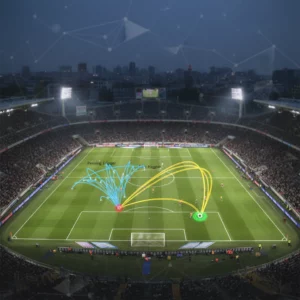
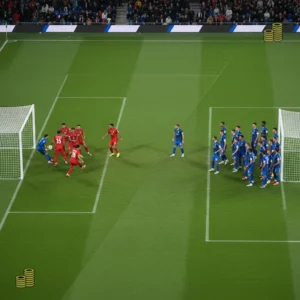
Most bettors focus on shots, expected goals (xG) and possession. Those matter, but off-the-ball positioning—the runs, spacing and defensive shapes when a player doesn’t have the ball—shifts chance quality in ways raw shot counts miss. Tracking these movements moves you from reactive betting to predictive betting: teams that create space, drag defenders, or stay compact shape shot quality and conversion rates over time.
For bettors, off-the-ball signals highlight value in markets such as over/under goals, both teams to score (BTTS), and handicap lines before public markets fully adjust.
Primary off-the-ball metrics you should be tracking
Focus on metrics that correlate with goal-creating opportunities or defensive stability. The most actionable off-the-ball metrics are:
-
Space creation (movement to open lanes)
Measures runs that pull defenders away from key channels or open passing lanes. High values indicate elevated chance quality even with low shot volume.
-
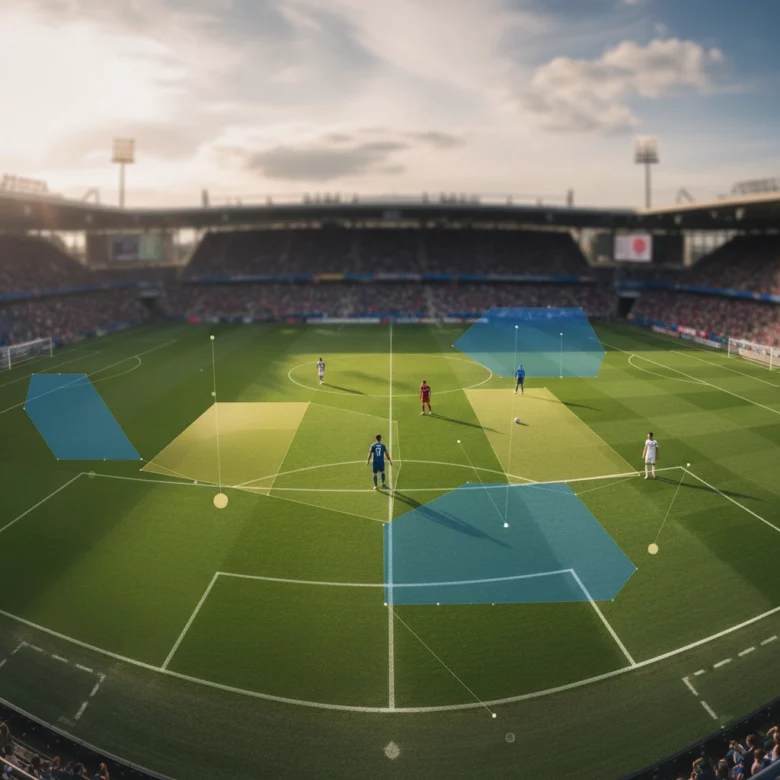
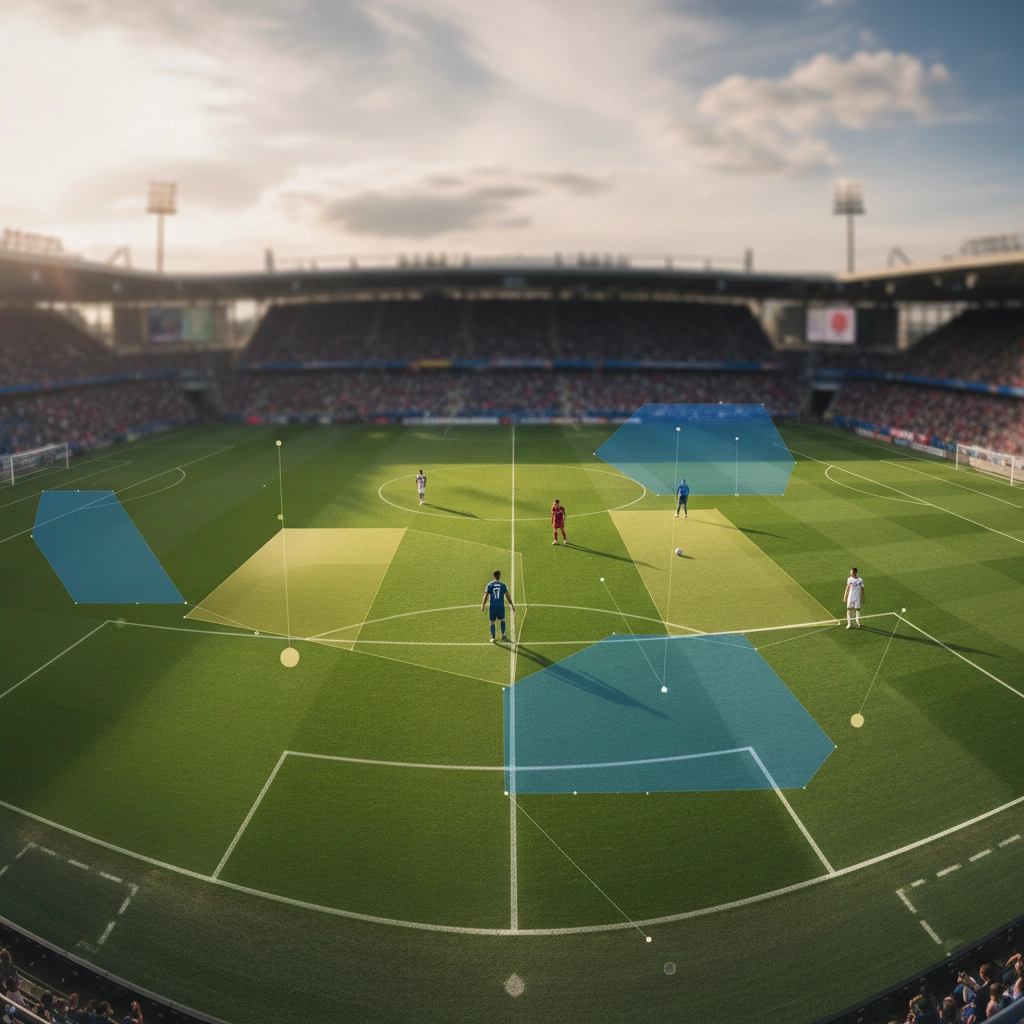
Positional compactness and width
Compactness captures defensive proximity; width shows attack stretch. Compact defenses suppress high-value chances; wide attacks exploit full-backs and create counters.
-
Offside line control and defensive line height
High lines invite long passes and pressing risks; disorganized lines allow through balls. Sudden changes in line height often precede goals or dangerous breaks.
-
Support density in the final third
Counts of players entering the penalty area and surrounding attackers. Higher density produces more rebounds, chaos and scoring chances—useful for team-total and over/under markets.
-
Defensive recovery runs and tracking back rate
How quickly players recover after losing the ball. Low recovery rates increase susceptibility to high-quality counter chances.
Combine these metrics with formation, opponent style and game state to form reliable betting signals.
How to quantify off-the-ball metrics: tools, normalization and thresholding
Quantification requires consistent sources, sensible normalization and thresholds that map to bets.
-
Data sources: optical tracking (Second Spectrum, TRACAB) gives coordinates; event providers (Opta, StatsBomb, Wyscout) tag runs and off-ball events; many platforms provide derived metrics. For most bettors, provider-derived metrics plus event feeds are sufficient.
-
Normalization: express counts per 90 or per possession, adjust for match state (leading teams sit deeper) and opponent strength, and use rolling windows (last 5–10 matches). Normalize by pace and location (final third vs middle third).
-
Thresholding and scoring: convert continuous metrics into flags. Common methods: percentiles (e.g., >70th or
-
Visualization & alerts: heatmaps, pass-lane maps and compactness curves reveal spatial tendencies. Set alerts for sharp shifts (e.g., compactness drop >0.5 SD or support-density spike) as leading indicators of goal risk.
-
Backtest: test thresholds on historical markets. Measure how often flagged conditions produced targeted outcomes (goals in the next 15 minutes, BTTS, over/under hits) and only act when you find a statistically meaningful edge after bookmaker margins.

Turning off-the-ball metrics into concrete betting strategies
Metrics map to markets naturally. Below are concise strategy patterns.
-
Pre-match Over/Under: teams with high space-creation and final-third support density tend to produce higher-quality chances. If totals look low, consider the Over; conversely, very compact defenses justify Under bets.
-
Pre-match BTTS: BTTS probability rises when both sides show low defensive recovery rates and high attacking width. Use percentile thresholds on recovery and width metrics to find mispriced BTTS markets.
-
Handicap/value lines: teams dominating compactness and offensive density often convert pressure into multiple goals. Bet small handicaps when off-ball scores are strongly tilted but market favours are light.
-
In-play next-goal/short lines: off-the-ball shifts are leading indicators. Triggers include a spike in support density after a substitution or a marked drop in opponent compactness. Small, time-limited Over bets (next 10–20 minutes) can exploit rapid market delays.
-
Corners/set-piece props: increased final-third support density and width usually produce more corners and set-piece chaos—useful for micro-bets when metrics and match narrative align.
-
Risk management: size stakes to model confidence, require multi-metric confirmation, and only wager when your implied probability exceeds bookmaker odds by a comfortable margin.
Examples, sample thresholds and a pre-bet checklist
Concrete example signals
Treat these as starting points to backtest and adapt by league and context.
-
Pre-match Over: both teams >70th percentile for space-creation and final-third support density → consider Over 2.5 or Over 1.5 if the market is conservative.
-
Pre-match BTTS: both sides have defensive recovery rate
-
In-play next-goal/15-minute Over: support density spikes >25% after a substitution while opponent compactness drops >0.5 SD → small stake on next 15-minute Over 0.5 or next-goal for the attacking team.
-
Corners/set-piece prop: attacking side averages ≥1.5 players entering the box per attacking sequence and has multiple deep crosses in the last 20 minutes → expect more corners/set-pieces.
Sample numeric thresholds (illustrative)
-
Space-creation index: >70th percentile or >1.5 high-impact runs per 90.
-
Support density: >6 final-third entries into the penalty area per 90, or a 20–30% in-play increase vs season baseline.
-
Defensive recovery rate: 60% (solid).
-
Compactness shift: a drop >0.5 SD during a match signals higher short-term xG concession risk.
Pre-bet checklist
-
Confirm at least two independent off-the-ball metrics point the same way.
-
Check context: formation, substitutions, weather and game state; adjust thresholds when a team is protecting a lead.
-
Convert your model output to implied probability and only stake when your edge exceeds bookmaker margins.
-
Size stakes by confidence and frequency; use smaller, higher-frequency bets while testing new indicators.
-
Backtest thresholds on historical matches in the same league and competition type before committing significant bankroll.

Putting these ideas into play
Off-the-ball metrics reward patience and disciplined application. They won’t guarantee winners, but they move you from event-driven guesswork to spatially informed probability estimates. Start small, test thresholds, require multi-metric confirmation, and iterate by league and team. For data and methodology, explore provider documentation such as StatsBomb data to see how these signals map to real tracking and event feeds.
Frequently Asked Questions
How quickly do off-the-ball metrics show a change that’s useful for in-play betting?
Many useful shifts appear within 5–15 minutes—substitutions, formation tweaks or compactness drops often precede spikes in chances. Use rolling short windows (10–20 minutes) and require magnitude thresholds (20–25% change) to reduce noise.
Do bookmakers already use off-the-ball data, and does that eliminate value?
Big bookmakers and model shops increasingly use tracking data, but incorporation is uneven across leagues, markets and bet sizes. Niche leagues and micro-markets (next 15 minutes, corners) still offer opportunities if you spot coordinated off-ball signals faster than the market.
What’s the minimum data I need to start applying these methods as a recreational bettor?
A reliable event feed (passes, carries, turnovers) plus provider-derived metrics (space creation, support density, compactness) is enough to begin. Use percentile thresholds, rolling-window normalization, and backtest on 50–200 historical matches before risking significant bankroll. Increase data precision as you scale.