
How pressing intensity creates goal-scoring windows you can bet on
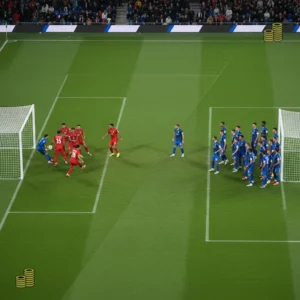
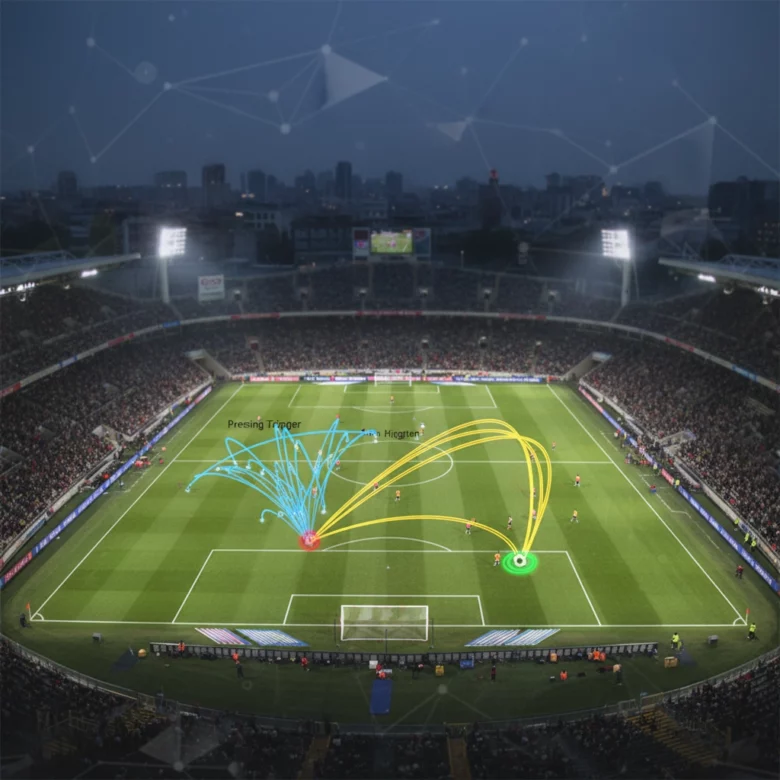
You can gain a real edge by understanding how pressing — the act of applying coordinated defensive pressure high up the pitch — changes the risk profile of a match. Pressing forces quicker decisions, increases turnovers in dangerous areas, and often stretches defensive shapes. For bettors, these moments convert tactical concepts into measurable triggers that precede shots and goals. In this section you’ll learn why pressing matters and what immediate signs to monitor before and during a match.
Why pressing often leads to more and earlier scoring chances
When teams press effectively they generate two primary conditions that lead to goal attempts: increased ball recoveries in the opponent’s half and disorganized transitions out of danger. Recoveries near or inside the final third create higher expected-goal (xG) opportunities because the ball is won closer to goal with opponents out of position. Meanwhile, failed exits after pressure typically result in rushed clearances, misplaced passes, or isolated defenders — all fertile ground for quick shots or set-piece opportunities. As a bettor, recognizing these structural outcomes helps you predict when markets like “next team to score,” “total goals over/under,” or in-play corners and shots on target are more likely to move in your favor.
Pre-match and early-game pressing triggers you should watch
Not all pressing is equal. You need to distinguish between intention and execution, and look for triggers that reliably precede goal-scoring situations. Below are practical patterns to observe in pre-match analysis and during the opening minutes.
Key pre-match indicators
- Team profiles and coach tendencies: Teams coached to play high-intensity or gegenpressing styles are predisposed to create turnovers. Check recent matches for pressing metrics like pass disruptions or recoveries in the final third.
- Player personnel: Look for energetic midfielders and fullbacks with high work-rate stats. Injuries to these players often reduce pressing effectiveness and therefore your anticipated edge.
- Opponent build-up weaknesses: Teams that prefer short, risked passes out from the back are more vulnerable if the opposition presses as a unit.
Early-game live triggers (first 15–25 minutes)
- High turnover frequency: If you see multiple successful recoveries in the opponent’s half within the opening 10–15 minutes, odds for goals and overs may shorten. These are actionable for quick in-play bets.
- Forced long balls and rushed exits: Repeated long clearances or goalkeeper distribution under pressure indicate the build-up is broken and set-pieces or second balls are likely.
- Flank overloads and isolated center-backs: When pressing squeezes one side of the pitch, it often leaves a center-back isolated; this increases solo dribble or 1v1 chances inside the box.
Armed with these early pressing signals, you can start mapping them onto specific betting markets and stake sizes — and in the next section you’ll learn exact market selections, timing, and risk management techniques to convert those observations into profitable wagers.

Mapping pressing cues to specific markets and timing
Once you can spot pressing triggers, the next step is matching them to markets where the pressure materializes into measurable value. Not every pressing sequence warrants the same bet — choose markets with a clear causal link to the trigger and appropriate time horizons.
- Early in-play goals/overs: If a team records 2–3 recoveries in the final third within the first 12–15 minutes (or shows sustained high press for a 30–60 second spell around the 10-minute mark), markets like “first half over 1.5” or “total goals over 1.5” will often shift quickly. These are good for small, higher-frequency stakes because variance is higher early on.
- Next team to score / next goal markets: Ideal when you see an isolated center-back or repeated forced long balls from the goalkeeper. A successful turnover in the opponent’s box or a corner won under sustained pressure makes “next team to score” a precise, short-term play.
- Corners and shots-on-target: If pressing forces multiple rushed clearances or results in repeated attacks down a flank, “next corner” and “team shots on target” markets become attractive. These markets have lower juice and move faster than outright goal lines, giving you options to enter and exit earlier.
- Live accumulators and micro-bets: Combine a pressing signal with a complementary indicator (e.g., opponent missing key midfielders + recovery frequency) to make small, correlated accumulator legs — but keep stakes small due to correlated risk.
As a rule of thumb: for short-term in-play bets triggered by pressing, limit stakes to 1–3% of your bankroll. For pre-match positions taken on expected pressing styles (coach, personnel, historical PPDA), 2–5% is reasonable depending on confidence and odds value.
In-play micro-triggers and execution
Excellent pressing reads depend on micro-triggers you can monitor live. Treat these as actionable checkboxes rather than vague impressions.
- Two final-third recoveries within 10 minutes: This pattern often precedes a shot or corner within the next 6–8 minutes. Consider a small-sized “next goal” or “over 0.5 shots on target” bet for the pressing side.
- Sustained pressure sequence (30–90 seconds): If a team keeps possession high and forces repeated half-chances, odds for overs and corners will compress; a staggered entry (half stake immediately, add if the sequence continues) manages risk.
- Goalkeeper under duress: Repeated backpasses to the keeper who is then pressured is a glaring signal for set-piece or scramble likelihood — target short markets like “next corner” or “goal within 10 minutes.”
- Subs and fatigue windows: When a pressing side keeps intensity up and the opponent shows legs visibly tiring after the 60th minute, late overs or “both teams to score” become valuable.
Execution tips: enter with a predefined stake, set a cash-out or hedge threshold (e.g., take +30–50% profit or hedge at -20% to protect bankroll), and avoid averaging into losing sequences unless new positive triggers appear.

Managing risk and avoiding false positives
Not every press leads to goals. False positives are the main cause of losses for pressing-based strategies — they occur when pressure is visible but ineffective or the opponent’s structure absorbs it.
- Quality of final pass/shot: Count chances, not just pressure. A team can force turnovers but lack creative players to convert them. If recoveries result in backward passes or predictable crosses, downsize or skip the bet.
- Opponent compactness and fouling: Teams that stay narrow and concede fouls will frustrate pressers. If the opponent neutralizes space or the ref allows heavy physical play, pressing will yield fewer clean chances.
- Referee and pitch/weather factors: A slippery pitch or strong wind can negate pressing effectiveness. Adjust stake sizes or avoid markets when these conditions are extreme.
- Post-goal behavior: If the pressing team concedes, they may either double down or collapse into low block. Wait for 5–10 minutes of new behavior before placing follow-up bets.
In short: use objective micro-triggers, limit stake sizes, and enforce stop-loss rules. That disciplined approach turns pressing observations from interesting patterns into a repeatable betting edge.
Putting pressing reads into action
Turn your understanding of pressing into a disciplined routine: track and log the micro-triggers you find most predictive, test them in low-stakes live sessions, and refine stake sizes and exit rules until the approach fits your risk profile. Use objective thresholds (e.g., two final-third recoveries within 10 minutes, or a 30–90 second sustained high press) as entry criteria, and always define a cash-out or hedge plan before placing the bet. For reliable data and deeper match context consider integrating trusted analytics sources such as StatsBomb into your pre-match workflow.
Consistency and discipline matter more than finding a single “perfect” trigger. Continuously measure outcomes, cut strategies that underperform, and scale only those that show a positive edge over a meaningful sample.
Frequently Asked Questions
How can I quantify pressing before a match?
Look for team-level metrics (PPDA, recoveries in the final third, turnovers in opponent half) and coach/player tendencies in recent matches. Combine those stats with qualitative checks — lineup, injuries, and whether the opponent favors short build-up — to form a pre-match probability for effective pressing.
Which betting markets respond best to pressing triggers?
Short-horizon in-play markets are most responsive: early in-play goal lines and overs, “next team to score,” corners, and shots-on-target. Micro-bets and small live accumulators can work when you have correlated signals, but keep stakes small because variance and correlation risk are higher.
What practical steps reduce false positives from pressing signals?
Require confirmation: count the quality of chances after recoveries (final pass/shot quality), watch for the opponent’s compactness or fouling that neutralizes pressure, adjust for weather or pitch conditions, and enforce stop-loss rules. Wait 5–10 minutes after major events (goals, subs) to confirm continued behavior before adding stakes.