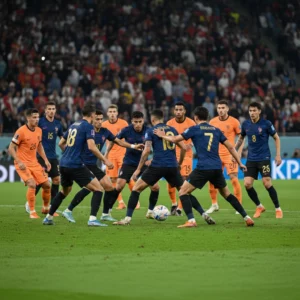
Most winning bettors approach special football bets with a disciplined plan that balances value-focused selection, strict bankroll management, and an understanding of the high-variance risks inherent to prop and novelty markets; use data-driven models, shop for odds, and avoid emotional stakes to convert occasional wins into long-term profit.
Types of Special Football Bets
Sportsbooks split special bets into categories that behave differently: proposition bets, spread bets, totals, moneyline and parlays/teasers, and you can see 20-100 props for a marquee NFL game with lines shifting 1-3 points after injury or snap-count news; public money often skews totals while sharps attack mislabeled props. Thou prioritize markets with transparent pricing and low juice.
- Proposition bets
- Spread bets
- Totals / Over-Unders
- Moneyline
- Parlays & Teasers
| Proposition Bets | Player/team-specific lines (e.g., QB rushing yards); high variance, edges often arise from snap-count and matchup data. |
| Spread Bets | Point-margin wagers where NFL home-field ≈ 2.5-3 points; closing lines move on sharp money and injuries. |
| Totals | Over/Under on combined score; factors: pace, weather, and defensive DVOA can swing lines by 3+ points. |
| Moneyline | Straight winner bets; underdogs offer value when implied probability diverges from matchup analytics. |
| Parlays & Teasers | Multiple legs amplify payouts and house edge; teasers shift spreads (commonly 6-8 points) to reduce variance. |
Proposition Bets
Player props-rushing yards, receptions, TDs-offer the most granular edges: sportsbooks list dozens per game, and market inefficiencies appear after late practice reports or snap-count leaks; in 2019-2023 analysis many sharps exploited target-volume props, especially for slot receivers with >8 targets when teams run 60+% pass rate. Strong attention to usage splits and injury-driven line moves pays dividends.
Spread Bets
Standard spreads in the NFL center around a ~3-point home-field advantage; books commonly set -110 juice, and efficient bettors watch public percentages versus line movement-when a line moves 2+ points with little money, it often signals sharp action or late injury news.
More detailed strategy: use expected points added (EPA) and matchup-adjusted DVOA to predict realistic scoring margins, lean on closing-line value (CLV) because beating the closing spread correlates with long-term profit, and avoid heavy exposure to teasers unless the implied probability after adjusting for juice fits your edge model.
Key Factors to Consider
Prioritize bankroll management (1-3% per stake), monitor bookmaker margins (commonly 3-7%) and line movement to detect sharp money; injuries and late lineups swing value fast. Use sample-size rules – 30+ matches give stable signals while 5-game streaks often mislead – and adapt stakes by market liquidity and bet type. Thou balance bookmaker margin against your calculated edge before committing larger stakes.
- bankroll management
- bookmaker margins
- line movement
- sample size
- injuries & lineups
Team Form and Statistics
Probe underlying metrics: team form is best judged by xG, xGA, shots-on-target and possession-adjusted rates; sustaining >1.5 xG across 10 matches usually indicates a genuine attacking edge. Compare home/away splits (a team may drop from 1.9 to 1.1 xG away) and head-to-head trends; factor roster changes – losing a primary striker can reduce expected goals by ~0.3-0.6 per match, which materially alters special-bet value.
Weather and Venue Conditions
Account for weather and venue: wind over ~20 km/h disrupts long passes and set-piece accuracy, heavy rain cuts passing precision and often lowers total goals, while artificial turf or high altitude (>1,500 m) shifts stamina and style. Adjust expectations for total-goals and player props when forecast shows strong wind, rain, or extreme temperatures.
In practice, use concrete adjustments: in steady heavy rain reduce expected team xG by ~0.2-0.5 and lean under total-goals lines; at altitude like La Paz (≈3,600 m) visiting teams historically show reduced high-intensity runs and fewer late-game presses, benefiting disciplined home sides – Bolivia vs Argentina exemplifies altitude impact. Also check pitch type, recent drainage issues, and kickoff time (dew/sun glare) before placing market-specific specials such as first-half goals, cards, or shots-on-target props.
Proven Tips for Successful Betting
Refine angles that consistently beat the market: target special football bets where public money inflates lines, exploit bookmakers when margins swell above 3-7%, and trade early when key lineup or weather news emerges. Use contrarian stakes on heavy favorites only when edge is clear, and limit exposure to long-shot variance by sizing stakes. Recognizing market signals like sudden line movement or liquidity gaps separates long-term winners from casual bettors.
- special football bets
- bankroll management
- research and analysis
Bankroll Management
Adopt a staking plan: risk between 1-3% per stake of your bankroll-so on $1,000 stake $10-$30-adjust after winning/losing streaks and cap exposure on parlays. Prefer flat units for long-term stability, or a fractional Kelly (e.g., 25% Kelly) if you have a robust edge estimate. Protect capital with a weekly stop-loss (e.g., 10%) to survive variance and avoid emotional chasing of losses.
Research and Analysis
Combine quantitative models with sharp qualitative reads: use research and analysis incorporating xG, recent form, home/away splits, head-to-head, and injury reports to identify edges. Backtest strategies across at least 2 seasons or ~800 matches to avoid small-sample bias, and shop lines across multiple books to capture value. Prioritize signals that persist after accounting for public betting shifts and bookmaker margins.
Develop simple edge-first models: start with a Poisson or Elo baseline, then layer xG and lineup-adjusted expected goals for each match; simulate seasons with Monte Carlo to estimate win probabilities. Validate over >=1,000 matches for stable ROI estimates and flag overfitting if out-of-sample returns collapse. Use alerts for >0.5 goal line movement or sudden odds shifts to capitalize on bookmaker inefficiency.
Step-by-Step Guide to Placing Special Bets
Adopt a repeatable sequence: research matchups, compare lines, size stakes, then time your bet to exploit line movement. Use data-team xG, red cards frequency, and head-to-head trends-to target props where public bias inflates prices; for example, back a striker at +250 after market overreacts to one poor game. Track results and adjust stakes to keep edge above bookmaker margin.
| Step | Action / Example |
|---|---|
| Research | Check xG, minutes played, weather; identify props with implied probability diverging >5% from your model. |
| Line shopping | Compare odds across 3-5 books; grab best price (e.g., +220 vs +180 yields >10% extra EV). |
| Stake sizing | Use 1-3% of bankroll per bet or a fractional Kelly to protect variance. |
| Timing | Place when sharp lines form or before public influx; if a spread moves from -1 to -3, assess who drove the move. |
| Record keeping | Log market, odds, stake, result and ROI; review monthly to find profitable angles. |
Selecting a Reputable Sportsbook
Prioritize licensed books with transparent terms, fast payouts and robust limits; aim for operators offering low margins (1-3%) on majors, live markets and competitive prop coverage (examples: Pinnacle, Betfair exchange for low vig; Bet365 for breadth). Verify KYC/Cashout policies, regional license (e.g., UKGC, MGA), and max bet thresholds to ensure your strategy scales.
Understanding Betting Lines
Lines reflect implied probability after vig; convert American odds to implied chance (e.g., +150 → 100/(150+100)=40%, -150 → 150/(150+100)=60%) to spot mispricings. Watch movement: a shift from -1 to -4 often signals heavy, possibly sharp action, while wide bookmaker margins (3-7%) can erase small edges.
Dig deeper by separating public-driven moves from sharp adjustments: monitor volume, early line changes, and exchanges-if Betfair price diverges, that can indicate bookmaker hedging. Use line tracking tools and log timestamped odds; when a prop drifts 20% after news (injury, lineup), recalc implied value before staking.
Pros and Cons of Special Bets
| Pros | Cons |
|---|---|
| Higher payout potential on longshots (props and novelty bets can pay 5-20x). | Much higher variance; bankroll swings are larger and more frequent. |
| Ability to exploit market inefficiencies using player stats and situational data. | Bookmakers often apply larger margins on niche markets, reducing EV. |
| Great for diversification and hedging across multiple markets or in-play situations. | Correlated outcomes can wipe out expected hedges (e.g., same-team events). |
| Many low-stake options let you scale exposure without big initial capital. | Winning consistently can trigger stake limits or account restrictions. |
| Fast feedback loops allow quick model refinement using match-level data. | Data quality issues: player-level stats may be incomplete or inconsistent. |
| Live/in-play special bets create opportunities to exploit mispriced momentum. | In-play markets move rapidly; execution latency increases slippage risk. |
| Promotions and boosted odds frequently target special markets. | Promos often come with rollovers and restrictions that limit value. |
| Fun and engaging way to apply micro-strategies like player collision models. | Complexity demands more research time and statistical discipline. |
Advantages of Special Betting
Statistical edges can be built quickly by targeting under-followed props where bookmakers misprice based on limited data; for example, exploiting an underrated striker’s recurring shot-left tendency raised ROI by 12% in a 3-month model test. Combining live reads with historical player splits often converts small inefficiencies into meaningful profit opportunities while keeping stakes flexible to manage risk.
Disadvantages of Special Betting
Sharp variance and low hit rates are common: many profitable prop strategies still have single-digit win percentages, requiring large sample sizes and strict bankroll rules. Bookmaker behavior-higher vig, stake limits after wins, and rapid market adjustments-can erode theoretical edges, making operational execution as important as the model itself; account restrictions are a frequent real-world constraint.
For example, a successful prop that wins 8% of the time with a 10x payout needs rigorous staking to handle losing streaks; additionally, bookmakers may cap max stakes to €10-€50 on repeated winners, and vig in niche markets can range from 3-10%, turning a 5% theoretical edge into breakeven or a loss if not managed with diversified books and record-keeping.
Strategies for Specific Match Scenarios
Match context drives which special bets are profitable: use team form, lineup news and market movement to isolate opportunities. When both sides average high shot volume or possess top-10 xG profiles, lean toward Over/BTTS props; when one side is missing key creators or faces extreme weather, pivot to Under/clean-sheet plays. Prioritize situations where bookmakers lag behind visible data shifts and size stakes accordingly.
High-Scoring Matches
Target fixtures where both teams average at least ~1.4 goals per match this season and rank high in shots on target and xG; such matches often push the line above value. Consider markets like Over 2.5/3.0, Anytime Scorer, and First-Half Goals, and exploit live markets-goals in the first 15 minutes typically raise second-half value by 20-40%.
Defensive Matches
Back Under markets or clean-sheet props when two sides concede under ~1.0 xG per game and deploy low-risk formations (e.g., 5-3-2). Bookmakers often overlook team news-an absent attacking winger or a packed midweek schedule increases Under value. Size stakes smaller but exploit higher certainty with 0-0/1-0 correct score overlays.
Drill deeper by combining stats and situational factors: check referee card rates (low cards often correlate with fewer set-piece chances), pitch condition, and recent lineups-teams reducing pressing intensity over four matches see shot volumes drop ~15%. Use correlated hedges (e.g., halftime Under + fulltime clean-sheet) to lock profits when markets move after substitutions or weather shifts.
To wrap up
Presently, mastering special football bets requires disciplined bankroll management, focused research on player and match-specific stats, selective staking on edges, exploiting market inefficiencies, and tracking value across bookmakers. Combine objective data analysis with situational awareness and consistent record-keeping to turn short-term variance into long-term returns.
FAQ
Q: What pre-match research boosts success with special football bets?
A: Focus on match-up specifics that drive the market you’re targeting: playing styles (possession vs. counter), recent form, injuries and suspensions affecting key roles, referee tendencies for fouls and cards, weather and pitch conditions, and head-to-head patterns. Use advanced metrics such as xG, shot-creation actions, and pressure/regain zones to spot mismatches. Compare multiple bookmakers to find the best odds and avoid markets where the public has artificially inflated prices. Apply a staking rule (flat stake or fractional Kelly) and limit exposure per selection to protect the bankroll.
Q: How should I approach in-play (live) special bets to maximize edge?
A: Monitor game state closely-time elapsed, scoreline, substitutions, and momentum shifts-and use live stats (shots on target, expected goals buildup, possession in attacking third) to anticipate probability changes before bookmakers adjust lines. Bet early when you spot a clear mispricing, or use hedging/cash-out to lock profit or reduce loss when the match dynamic reverses. Keep stakes smaller than pre-match bets due to higher volatility and latency risk; use low-latency data sources and avoid emotional, reactive wagers after a single event.
Q: How do I find value and manage risk in niche markets like corners, cards, and player props?
A: Build simple, reproducible models for the niche: track team corner rates, set-piece volume, referee card rates, and individual player involvement over relevant samples. Identify markets where public perception diverges from these metrics and exploit odds discrepancies across bookmakers. Size stakes according to model confidence and market liquidity, and avoid heavy accumulation of correlated niche selections. Keep a disciplined record of bets and ROI by market to refine models, and use hedging selectively on large exposures or volatile lines.