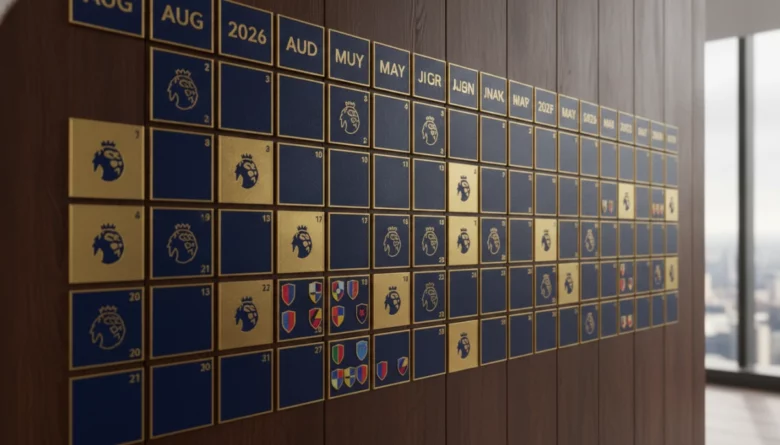
How the 2026 Premier League calendar will shape your season
You follow the Premier League all year, and the fixture calendar sets everything from weekend plans to travel and TV schedules. While the exact match list for 2026 will be released by the league at a later date, the structure and major interruptions are predictable. Knowing the likely international windows, domestic event clusters and high-impact matchdays helps you plan holidays, ticket purchases and matchday logistics well in advance.
In 2026 you’ll want to pay special attention to how international and tournament commitments intersect with club football. Even when a major tournament falls in the summer, FIFA international windows still create multiple interruptions during the season. These pauses influence squad selection, injury risk, and transfer strategies — all things you should factor into your season planning.
Which international breaks you’ll need to track
FIFA’s international windows generally occur at specific times during the club season. For the 2025–26 campaign you should expect the following recurring windows that will affect availability and scheduling:
- March: a mid-season window often used for qualifiers and stands as a key recovery point for clubs.
- June: typically used for summer tournaments or final qualifiers; players may be away post-season or called up early for tournament camps.
- September: an early-season window that can interrupt the campaign rhythm and influence early league form.
- October and November: important autumn windows that frequently include qualifying matches or friendlies; November can be especially disruptive if clubs are fighting for European progression.
When you track these windows, check club announcements and national team call-ups: clubs often manage minutes for players who travel, and you can expect rotation around these dates. For fantasy football managers and bettors, these breaks are crucial — form can shift quickly when first-team players miss matches after international travel.
Big domestic dates to put in your diary
Beyond international breaks, several recurring domestic clusters define the Premier League rhythm and require special attention:
- Opening weekend (August): sets initial momentum and is prime for early-season ticket demand.
- Transfer deadline periods (late August/early September and January): last-minute transfers can change team strength overnight.
- Festive period (late December to early January): a dense run of fixtures including Boxing Day and New Year matches — this is the heaviest congestion of the season.
- FA Cup and European knockout weekends: these can force fixture rearrangements and midweek domestic games.
- Final day (May): title races, European qualification and relegation battles often culminate on the last weekend; it’s a high-stakes fixture for fans and broadcasters alike.
Mark these recurring periods now so you’re prepared for ticket releases, travel costs and potential fixture changes. In the next section, you’ll get a detailed look at confirmed international windows for 2026 and a breakdown of the most consequential weekends that could be moved or condensed in the fixture list.
Confirmed international windows for 2026 — what to watch for
FIFA’s international calendar sets the predictable interruptions clubs and fans must plan around. For the 2025–26 season you can expect the standard windows to be in force: early September, early October, mid-November, late March and a late-May/early-June window that in 2026 will feed directly into the summer’s major tournament schedule. Crucially, the 2026 FIFA World Cup in North America (June–July 2026) changes the end-of-season choreography: national teams will have extended training camps and pre-tournament friendlies in late May and through June, which affects player availability even after the domestic season ends.
What this means practically:
– Early-season windows (September/October): managers often rotate heavily after these breaks. Teams with many internationals can arrive back fatigued or with minor knocks, so expect lineup volatility in the following league matches.
– Autumn cluster (mid-November): this window can split the first half of the season and frequently forces midweek league shuffles to accommodate TV and domestic cup scheduling. It’s a critical time for teams juggling European nights.
– Late March: traditionally used for qualifiers and friendlies, this window comes at a point when squads are already depleted. Clubs dependent on international players can see form dip after this pause.
– Late May/early June 2026: because of the World Cup, national-team call-ups will begin earlier than in non-World Cup years. Even if the club season has concluded, players may depart earlier for camps, affecting post-season friendlies, testimonials and any late-May domestic fixtures.
Always cross-check the official FIFA windows (published well before the season) against the Premier League fixture release. Clubs will issue specific availability updates around each window, and broadcasters will confirm kick-off slots that can further alter planning.
Weekends most likely to be moved or condensed — plan for the pinch points
Some parts of the calendar are inherently flexible and therefore most likely to see rearranged kick-offs. Knowing which weekends are at risk helps you plan travel, book refundable accommodation and track early ticket sales.
High-risk windows for moves and congestion:
– The festive run (late December–early January): already the season’s densest block, Boxing Day and New Year fixtures often produce midweek catch-ups. If weather intervenes, expect knock‑on changes to create midweek matches through January.
– FA Cup third round (early January) and subsequent cup weekends: these domestic cup dates are anchors around which league matches are reshuffled. Clubs still in the cups and in Europe can face multiple midweek games across January and February.
– European knockout phase (February–March): when Champions League and Europa fixtures collide with domestic schedules, the Premier League shifts weekend fixtures—often moving games to Sunday evenings or midweek slots to accommodate TV.
– International windows (October/November and late March): fixtures immediately before or after these windows are commonly shuffled so clubs can manage travel and recovery for returning internationals.
– Final run-in in April–May: title races and relegation battles can result in coordinated kick-off times and sometimes weekend swaps to fit broadcasting windows or to avoid clashes with major national or international sporting events.
Practical tips for fans:
– Book refundable or changeable travel and accommodation for the congested blocks (Dec–Jan, Feb–Mar, late Apr–May).
– Check club and broadcaster announcements within 48–72 hours of each international window; last-minute TV selections are common.
– Fantasy managers and bettors should expect rapid player rotation after international breaks and plan squads accordingly.
Being proactive about these pinch points lets you avoid the frustration of sudden fixture changes and make smarter decisions on tickets, trips and lineup choices throughout the 2026 season.
What to do when the official fixtures are released
- Note key dates and set calendar alerts for opening weekend, the festive run and the final day.
- Sign up for club and ticketing notifications so you hear about sales and any immediate changes.
- Keep travel and accommodation bookings refundable or amendable for congested periods.
- Update fantasy squads and betting plans only after initial TV kick-off selections and squad news post-international windows.
Plan ahead: next steps for the 2026 season
Stay flexible, follow official channels and lock in refundable arrangements where possible — a little preparation saves a lot of frustration during the busiest parts of the calendar. For official match dates and the moment the fixture list goes live, bookmark the Premier League fixtures page and enable alerts from your club and preferred broadcasters. Enjoy the season and plan smartly so you can make the most of every big date.