Spotting developing leaders in football: what bettors should watch for
Identifying developing leaders in football is a useful skill for bettors who want an edge when assessing team dynamics and market movements. Young captains and emerging on-field influencers can change a team’s tempo, resilience and set-piece threat — all factors that shape match result markets, Asian handicaps, over/under lines and live odds. This section explains club pathways and the first observable signals that suggest a player is becoming a true leader.
How club development pathways reveal future leaders
Clubs with clear development pathways — strong academy coaching, a phased introduction to senior football and deliberate leadership programmes — tend to produce captains and vocal influencers. Bettors should monitor three structural indicators:
- First-team minutes for academy graduates: steady increases in starts and minutes are a sign of trust from coaches.
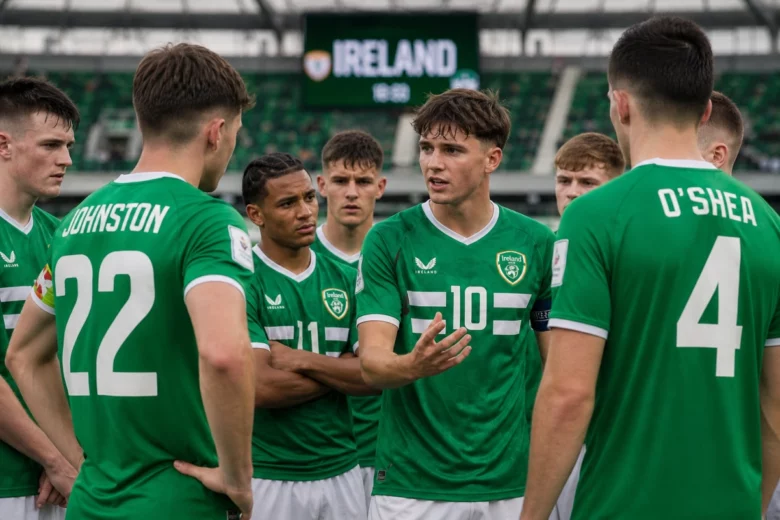
- Captaincy roles at youth levels: a player who captains U18s/U23s is more likely to take leadership at senior level.
- Manager comments and squad roles: public praise for organisational or communicative traits often precedes formal leadership responsibilities.
These signals matter for betting because teams with emerging leaders often show improved in-game management — important when estimating second-half outcomes or evaluating live betting opportunities.
Observable signs and statistics that indicate leadership progression
Some traits are visible on the pitch; others show up in statistics. Combine both for the strongest read.
On-field behaviours to watch
- Positional influence: players who occupy central, organising positions (centre-back, defensive midfield, central full-back) have more scope to lead play and defend structure.
- Communication and body language: directing teammates, organising set plays, and calming reactions under pressure.
- Involvement in key moments: taking corners, free-kicks, penalty duties, or stepping up in late-game situations.
Key stats that support leadership claims
- Minutes played and starts trend — reliability and coach trust.
- Touches in opposition half and passes into final third — influence on build-up play.
- Defensive actions leading to turnovers or interceptions — organising the backline.
- Set-piece involvement and successful duels — direct impact on goalscoring or preventing goals.
For bettors, these stats help when choosing markets such as match result, both teams to score (BTTS), over/under goals, and player props (e.g., player to score, assists). Leadership progression can reduce volatility — teams with steady on-field leaders tend to concede fewer late goals and manage games better, affecting live betting odds and Asian handicap lines.
Responsible betting reminder: leadership indicators improve analysis but do not guarantee outcomes. Always set a budget and avoid chasing losses.
Next, the article will examine tactical and psychological traits in depth and show practical examples of how emerging leaders change market prices and match-day strategies.
Tactical and psychological traits that mark a growing leader
Tactical awareness and psychological strength often appear together. For bettors, the shortcut is to look for players whose on-pitch decisions consistently alter outcomes — not flashy statistics but reliable, repeatable behaviours.
Tactical traits to prioritise
– Game-management instincts: leaders slow or speed play deliberately to protect or chase results. Look for players who dictate tempo with short resets after turnovers, or who switch play to relieve pressure. Heatmaps that show regular involvement near the centre circle and both flanks indicate tempo control.
– Spatial organisation: a developing leader consistently fills gaps, closes channels and maintains defensive shape. Tracking metrics such as defensive line height consistency, recovery runs, and interceptions in the channel between full-back and centre-back are useful proxies.
– Press trigger and transitional influence: leaders often initiate or silence the press. Watch for players who repeatedly start counter-press sequences or who quickly recycle possession after winning the ball — these actions reduce opponent chances and are reflected in lower opponent xG per possession.
– Set-piece and restart control: beyond taking kicks, leaders choreograph routines, direct marking assignments and manage the tempo of restarts. Successful set-piece involvement correlates with a team’s expected goal output from dead-ball situations.
Psychological traits to prioritise
– Composure under pressure: low giveaway rates in the final third and a high pass-completion rate while pressed indicate a player who can be trusted when the result is fragile.
– Vocal presence and crisis response: audible communication is visible to live viewers. Players who vocally organize teammates after conceding or who immediately rally the team after a mistake are influencing momentum — momentum that markets often underprice.
– Accountability and resilience: acceptance of responsibility (stepping up for penalties, taking on leadership interviews) and quick emotional recovery after errors reduce the likelihood of match-derailing lapses.
– Influence on officials: leaders who calmly interact with referees can reduce booking escalation for teammates. While intangible, an observable pattern of successful dialogue and fewer team bookings in matches where the player features is a measurable effect.
Combine these tactical and psychological indicators with context — the manager’s system, opposition style, and match importance — to judge whether a player’s leadership is transient or genuine.
How leadership progression moves betting markets — practical signals and scenarios
Leadership shifts change market prices both before kick-off and in-play. Recognising the signals lets bettors anticipate value or exploit mispricing.
Pre-match movements
– Starting XI and confirmed captaincy: a youngster promoted to captain or listed as vice-captain can tighten pre-match Asian handicap lines and reduce over/under totals, especially against teams that previously struggled to close out games.
– Injury/suspension of an emerging leader: if a recognised organiser is absent, expect bookmakers to widen handicaps and increase opponent win probability. These are moments to seek backdoor value on the underdog or alternative props (e.g., increased odds on late goals).
– Midseason promotion: when a club publicly hands responsibility to a young player over several matches, you’ll often see gradual shortening of team odds as perceived variance drops — a pattern worth following across multiple fixtures.
In-play scenarios
– Early booking or substitution of a leader: markets react fast. An early yellow on a central organiser or an injury-induced withdrawal typically causes the opponent’s win probability to spike and the live over/under to drift upward as organisational coherence falls.
– Leadership-driven game management: teams with emerging leaders are statistically likelier to protect leads. In the second half, live Asian handicap lines may underreact to a team’s increased ability to close games — a repeatable edge for bettors who track teams with consistent leadership indicators.
– Momentum control after setbacks: leaders who visibly re-stabilise play after conceding reduce rebound-goal frequency. If a live market prices in a high chance of an immediate equaliser, but the leader visibly regroups the team, that overestimates opponent chances and can be exploited with timely in-play bets.
Practical checklist for bettors
– Watch team sheets and captain announcements.
– Track minutes and continuity (does the leader play full 90s consistently?).
– Monitor set-piece duties and central touches per 90.
– Observe live body language in early minutes — calming behaviours or repeated organising calls are actionable.
These signals won’t guarantee outcomes, but they frequently shift risk profiles bookmakers use — and that’s where informed bettors find value.
Putting leadership indicators into practice
Turn observation into a repeatable routine so leadership signs become part of your edge rather than ad-hoc hunches.
Quick workflow for bettors
- Create a short watchlist of 6–12 young players who show academy progression, starting continuity, or set-piece duties.
- Record 3–5 metrics per player (minutes/90, touches in opposition half, set-piece involvement, duels won) and update weekly.
- Note manager comments and official squad roles (captain/vice-captain) from matchday announcements and press conferences.
- Observe live body language and organising actions in the opening 15 minutes — flag matches where the player is visibly directing teammates.
- Use small, hypothesis-driven bets to test specific edges (e.g., live Asian handicap when a recognised game-manager remains on the pitch late), then log outcomes and refine thresholds.
- Size stakes to the confidence of the signal and the role’s historical impact for that team; treat leadership signals as variance dampeners, not guarantees.
Practical bet triggers
- Pre-match: back a favourite with a shortened handicap when the young captain is confirmed to start and the team has recent clean-sheet/closeout form.
- Pre-match: shop underdog prices when a recognised organiser is absent — markets often widen more than justified by single-player losses in structured teams.
- In-play: consider under/handicap value when a leader visibly stabilises the game after conceding; conversely, expect lines to widen if the leader is substituted early.
- Player props: prioritise young set-piece takers for assists and expected involvement props when their minutes and touches per 90 exceed season averages.
Applying leadership scouting to your betting approach
Leadership scouting is a practical layer you can add to statistical models and match previews. Treat emerging leaders as information that adjusts probability estimates rather than as absolute predictors. Keep observations systematic, test bets in small sizes, and iterate based on results. Over time, disciplined attention to club pathways, tactical influence and psychological cues will help you spot when markets under- or overvalue a team’s ability to control matches — and that is where consistent value is found. Bet responsibly, track your edge, and let leadership signals guide measured decisions rather than urgent gambles.