Why investing in captain leadership changes team performance
You can install systems, design tactics, and select talented players, but the way a team responds under pressure often comes down to its leaders on the field. A captain is the bridge between your strategic direction and the everyday behavior of the squad. When you deliberately cultivate leadership qualities in captains, you accelerate cohesion, reduce on-field confusion, and create a culture that sustains performance beyond a single season.
This section explains why captain leadership matters and outlines the first concrete steps you should take to identify and begin developing those qualities. Think of this as the groundwork: the assessment criteria you use and the early interventions you put in place will determine how effectively a captain converts potential into influence.
Spotting captain potential: traits to monitor early
Before assigning armband responsibility, you should know what to look for. Use these observable behaviors to evaluate players during training, meetings, and matches. You can track them informally or create simple rubrics to ensure consistency.
- Consistent communication: A potential captain speaks clearly and frequently, directing teammates calmly during drills and matches. They don’t need to be loud, but they must be heard and understood.
- Accountability under pressure: Look for players who accept responsibility for mistakes and encourage the team to move forward rather than deflect blame.
- Emotional stability: Captains regulate their emotions—showing composure when things go wrong and measured passion when motivating the group.
- Respect from peers: Teammates naturally seek their input and respond positively to their feedback, indicating informal influence you can formalize.
- High tactical awareness: They read the game well and can convey simple adjustments in real time without confusing teammates.
Early development tactics you can implement this week
Once you’ve identified candidates, begin structured development that integrates into your regular coaching routine. These early tactics are low-cost, high-impact ways to give prospective captains practical experience and feedback.
- Assign micro-responsibilities: Give candidates specific tasks—leading warm-ups, coordinating set-piece organization, or briefing the team on tactical changes—to assess and expand their role gradually.
- Use targeted feedback sessions: Hold short one-on-one conversations focused on communication style and decision-making. Offer specific examples and role-play alternatives so they practice new behaviors immediately.
- Simulate pressure scenarios: Create small-sided games with constraints that force leadership choices (e.g., losing-score-reset drills). Debrief afterward to highlight effective leadership moves.
- Encourage peer coaching: Rotate responsibilities so players practice giving and receiving direction. This builds mutual respect and helps you observe who naturally commands attention.
These foundational steps let you assess and begin shaping captain behavior without disrupting team routines. In the next section, you’ll get actionable coaching drills, communication frameworks, and accountability systems to deepen these qualities and prepare your captain for match-day leadership.
Coaching drills that accelerate captain decision-making
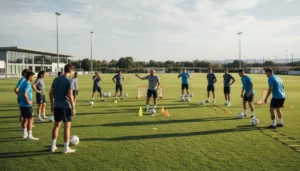
Training time must mirror the split-second choices a captain faces in competition. The drills below are short, repeatable, and designed to create decision pressure while giving you clear evaluation points.
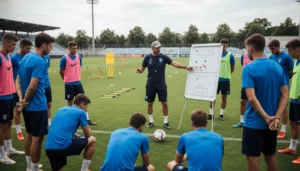
- Captain’s 90-Second Coach: During a 10–15 minute segment, the chosen captain directs a small-sided team while you act as an external constraint (time, extra defender, or sudden numerical change). Objective: practice concise instruction and rapid adjustment. Coach notes: count verbal commands, clarity of instruction, and speed of tactical change.
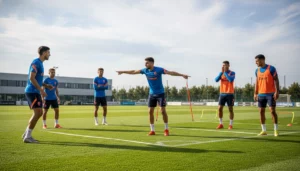
- Silent Partners (communication economy): Two teams play but the captain may give only three full-sentence commands per 5-minute period; non-captain players can use gestures. Objective: force precision and prioritize high-value information. Coach notes: did the captain choose critical moments? Were teammates responsive?
- Set-piece leadership loop: Run a cycle of attacking and defending set-pieces where the captain is responsible for organizing the unit and calling a single, decisive pre-set instruction (marking, blocking, or run). Follow each repetition with a 30-second coach-captain micro-debrief focused on why the call succeeded or failed.
- Reset & Rally drill: Simulate a conceded goal or costly mistake. The captain must perform a structured 60-second rally—one calming phrase, two tactical corrections, one motivational close—before play resumes. Objective: cultivate emotional reset and brief, actionable recovery plans.
A simple in-game communication framework your captain can master
Complex frameworks don’t survive the heat of the match. Give captains a compact, repeatable script they can use under pressure. Use the “CALL” model:
- C — Clear: State the single fact (e.g., “Left side open”).
- A — Assign: Tell who must act (e.g., “Tom, drop to cover.”).
- L — Lead: Provide the immediate action (e.g., “Hold shape — stay compact.”).
- L — Link: Tie it to the next play or reason (e.g., “We’re vulnerable to counters right now.”).
Sample short scripts to practice:
- Calm: “Breath, reset—compact, zonal on the left, keep numbers.” (used after conceding)
- Urgent: “Press him now—two on him, push high—trap on the touchline.” (used to force turnover)
- Instructional: “Switch early—long diagonal to Sam on the right, be ready for second ball.” (used during buildup)
Coach should role-play these in training and record quick video clips so captains can review tone, timing, and phrasing.
Accountability systems to embed leadership across the squad
Leadership must be reinforced with structure or it will fade. Implement lightweight systems that hold your captain and the team accountable.
- Captain’s weekly log: One page: three leadership goals, two situations handled, one improvement target. Review with coach for 10 minutes each week.
- Peer feedback loop: Short anonymous pulse surveys (3 questions) after matches: clarity of captain, responsiveness, calming effect. Use trends, not single answers, to guide development.
- Video spotlight: Clip 2–3 leadership moments from each match and show them in the next session. Highlight effective calls and one teachable moment.
- Visible metrics: Track simple KPIs—communication frequency, successful rally rates after errors, set-piece organization outcomes—and share monthly progress with the squad.
These systems create measurable habits, keep expectations explicit, and make leadership development a normal part of your coaching routine rather than an occasional conversation.
First-week checklist for coaches
- Pick one or two captain candidates to trial in low-stakes roles this week.
- Assign a micro-responsibility (warm-up lead, set-piece organizer) and communicate clear success criteria.
- Run a short decision-making drill (e.g., Captain’s 90-Second Coach or Silent Partners) and record observations.
- Start the captain’s weekly log template and schedule a 10-minute feedback meeting before the next session.
Keeping leadership alive beyond a single season
Developing a captain is not a project with a single end point but a continual process of support, measurement, and gradual release. Expect setbacks, reward visible progress, and protect the captain’s authority by aligning squad routines and your own coaching behaviors with the leadership standards you want to see. Make time for short, regular checkpoints, keep feedback specific and actionable, and resist the urge to solve every problem yourself—allow the captain to learn through responsibility.
For additional drills, frameworks, and coach education materials you can adapt to your environment, see FA Coaching Resources. Keep investing: the small leadership habits you build now compound into a team culture that performs under pressure and sustains success season after season.